If you’ve ever walked through any Asian neighborhood in the weeks leading up to mid-Autumn Festival, you’ve probably stopped short at the sight of those glossy, gold-foil wrapped discs stacked high in grocery store windows, passed around office break rooms, and tucked into canvas gift bags like tiny, precious treasures. For me, as someone who’s spent the last eight years as part of a small, family-run mooncake supply company, those wrapped discs aren’t just a seasonal treat—they’re a piece of tradition, a science, and a labor of love that’s easy to take for granted if you’ve never stopped to peel back the wrapper. Mooncake
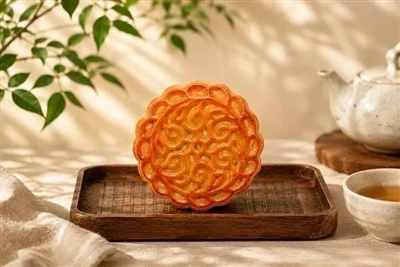
Let’s start with the basics: What is a mooncake, exactly? At its core, it’s a dense, round pastry, typically 2 to 4 inches in diameter, with a thick, tender crust and a sweet or savory filling. It’s almost always stamped with intricate designs—lotus flowers, rabbit motifs, Chinese characters for “longevity” or “harmony”—that tell you something about the occasion it’s meant for, and who it’s for. Unlike Western pastries, which are often light, flaky, or air-filled, mooncakes are designed to be substantial; a single wedge is enough to share with a small group, paired with a cup of strong tea to cut through the richness. That density isn’t an accident, either. For centuries, mooncakes were made to last through the journey of the Mid-Autumn Festival, which falls on the 15th day of the 8th lunar month—usually late September or early October—when families might travel long distances to gather. A durable, non-perishable pastry was perfect for carrying, and it also served as a symbolic offering to the moon, a central figure in the festival’s folklore.
Now, let’s talk about the science behind that crust, because anyone who’s ever tried to make a mooncake at home knows it’s not as simple as pie dough. Traditional mooncake crust is made from invert syrup, a sweetener that’s been around since ancient China, made by heating sugar with an acid like lemon juice or cream of tartar to break down the sucrose into glucose and fructose. This syrup is key: it gives the crust its signature golden, glossy color when baked, and its chewy, tender texture instead of a crumbly, flaky one. We add a small amount of alkali water (lye water, mixed with water) to adjust the pH level—this reacts with the invert syrup and the flour, helping the crust set evenly without cracking, and locking in the shape of the stamp. If the pH is off, you’ll end up with a crust that’s either too pale or too dark, or that sticks to the mold instead of releasing clean designs. For our suppliers, we’ve refined this crust recipe over the years, testing different flour types and invert syrup ratios to make sure every mooncake we ship has that perfect, deep gold crust with a slight snap when you break it open.
The filling is where mooncakes really shine, and where you’ll see the biggest regional variations. The most classic filling is lotus seed paste—a thick, sweet, slightly nutty paste made from ground lotus seeds, boiled down with sugar and oil. It’s not the smooth, creamy spread you might find on toast; traditional lotus seed paste is dense, almost fudgy, with a subtle, earthy sweetness. For our original recipe, we source lotus seeds from a small farm in Guangxi that’s been growing them for three generations, because their seeds have a higher starch content that gives the paste that rich, not-too-sweet flavor we know our customers love. Another classic is red bean paste, made from adzuki beans, which is a little less heavy than lotus seed paste, with a mild, floral sweetness. But modern mooncakes have evolved a lot, too—you’ll find fillings like matcha, durian, chocolate, even savory options like minced pork or salted egg yolk. Oh, the salted egg yolk! That’s one of the most iconic fillings, usually a whole cured duck egg yolk, baked right into the center of the paste. Cutting into a mooncake to reveal that bright, crumbly, salty yolk against the sweet paste is a moment everyone remembers, and it’s become our best-selling item every year.
Let’s talk about the tradition side, because that’s what makes mooncakes more than just a dessert. The Mid-Autumn Festival, also called the Moon Festival, is one of the most important holidays in Chinese culture, second only to Lunar New Year. It’s a time for family reunion, for admiring the full moon, for giving gifts that symbolize unity. Mooncakes are the centerpiece of these gifts—they’re exchanged between family members, friends, and business partners as a way to wish each other prosperity and good fortune. For our company, that means we don’t just make mooncakes; we help our customers create that meaning, too. We offer custom-printed designs for corporate clients, with their company logos or personalized messages, and we work with families who want their mooncakes to have a special stamp, like a child’s name or a family crest. Last year, we had a client who ordered 5,000 mooncakes with designs honoring a local veterans’ group, and that’s the stuff that makes our work feel meaningful beyond just selling pastries.
Over the years, I’ve seen a lot of changes in the mooncake industry, too. Ten years ago, almost all mooncakes were sweet, with a lotus seed or red bean filling. Now, we get requests for everything from vegan mooncakes (made with plant-based invert syrup and paste) to low-sugar options for health-conscious customers, even ice cream mooncakes, which have a cold, creamy filling instead of a baked paste. The key, though, is that no matter how much the filling changes, the core purpose of the mooncake stays the same: it’s a treat that brings people together. I’ve heard from customers who send our mooncakes to friends studying abroad, who say it’s the closest they can get to celebrating the holiday with family. I’ve had small bakery owners tell us they rely on our crust mix to make their own mooncakes, because it’s consistent and easy to work with for their small operations.
If you’re reading this and you’ve never tried a mooncake, I hope I’ve given you a little context to understand why it’s more than just a strange-looking dessert. It’s a piece of culture, a feat of pastry science, and a symbol of connection. For those of you who already love mooncakes, you know that the best ones are the ones that come with warmth, whether they’re homemade by a family member or shipped from a supplier you trust.
At our company, we’ve been perfecting our mooncake recipes for nearly a decade, sourcing the best ingredients from trusted farmers, refining our baking processes to ensure every mooncake is fresh and consistent, and offering a range of flavors to suit every taste—from classic lotus seed with salted egg yolk to modern matcha and vegan options. Whether you’re a small bakery looking for a reliable supplier, a corporate team planning holiday gifts, or an individual wanting to order mooncakes for your family’s Mid-Autumn celebration, we can work with you to create the perfect mooncake for your needs. We’re happy to customize flavors, designs, and quantities, and all our products are made with high-quality, natural ingredients, no artificial preservatives.

If you’re interested in learning more about our mooncake options, getting a quote, or discussing a custom order, feel free to reach out to our team to discuss your needs. We’re here to help you make this Mid-Autumn Festival (or any special occasion) a little sweeter.
Plain Cookies References
- Anderson, E. N. (1988). The Food of China. Yale University Press.
- Hu, W., et al. (2018). "A Study on the Evolution of Mooncake Culture in Modern China." Journal of Ethnic Foods, 5(3), 179-186.
- Lee, S. (2020). Traditional Chinese Pastries: History, Culture, and Recipes. Penguin Random House.
- Wong, H. K. (2015). "The Science of Mooncake Crust: Invert Syrup and Alkaline Water in Traditional Pastry Making." Food Science and Culture, 12(2), 45-52.
Guangdong Liangyu Food & Technology Co., Ltd.
As one of the most professional mooncake manufacturers in China, we’re featured by quality products and low price. Please rest assured to wholesale customized mooncake made in China here from our factory. Also, quotation is available.
Address: Room402, 4/F, Block 3, Xiong Wel industrnal Park, No.77 Wan Cheng Road, Gaoming, Foshan, Guangdong. CHINA
E-mail: sale@liangandyu.com
WebSite: https://www.liangandyu.com/
