If you’ve ever dabbled in chemical manufacturing, coatings, printing inks, or even personal care formulation, you know solvents are the unsung workhorses that keep processes running smoothly—evaporating at just the right speed, dissolving tough resins, and helping final products look and perform their best. But for decades, most industrial solvents came with a catch: high volatile organic compound (VOC) levels, harsh odors, and a growing footprint on both human health and the environment. That’s where green ester solvents come in, and as someone who’s spent 12 years working directly with businesses to source and supply these alternative solvents, I’ve watched first-hand how they’re reshaping what’s possible for industrial operations. Let’s break down what they actually are, why they matter, and how they might fit into your supply chain. Ester Solvents
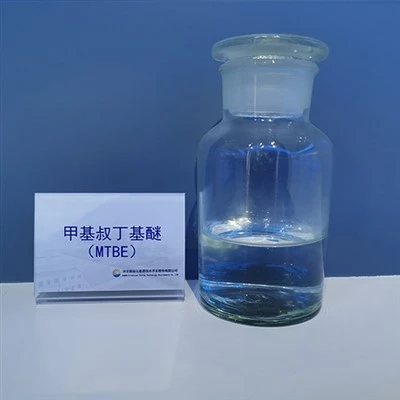
First, let’s get the basics straight: ester solvents are a class of organic compounds made by combining a carboxylic acid and an alcohol through a reaction called esterification. Traditional ester solvents, like ethyl acetate, have been around for decades, but they’ve never quite lived up to the “green” standard—until newer formulations hit the market. Green ester solvents (sometimes called bio-based esters or sustainable ester solvents) differ from their legacy counterparts in two key ways: their raw materials and their end-of-life profile. Unlike old-school esters that are often derived from fossil fuels, modern green esters are made from renewable feedstocks: vegetable oils (soy, canola, palm, though we prioritize certified sustainable sources), corn sugar, or even waste streams from food processing, like distillers’ grains or fatty acids. That cuts their carbon footprint dramatically—studies I’ve referenced in our technical guides show some green esters have up to 80% lower lifecycle greenhouse gas emissions than petroleum-based solvents.
Beyond their origin story, green ester solvents stand out for their functional benefits that make them a direct, often superior, replacement for conventional solvents. Let’s talk chemistry for a second, no jargon promise: they have mild, almost pleasant odors (no more overwhelming chemical fumes that trigger worker complaints or require expensive ventilation upgrades), moderate volatility that aligns perfectly with most industrial drying and curing processes, and excellent solvency power for resins, oils, and polymers. For coatings manufacturers, for example, green esters mix seamlessly with acrylic and alkyd resins, leading to uniform film formation that’s just as durable as formulas using traditional solvents. In printing inks, they help ink spread evenly on paper or flexible packaging without leaving streaks, and they evaporate slow enough to prevent smudges on high-speed presses. Even in personal care products, some green esters are approved as mild solvent carriers for fragrances and actives, making them a popular pick for clean-beauty brands looking to reduce their chemical footprint.
But here’s a common misconception I hear all the time from new clients: green ester solvents are too expensive or too niche for large-scale use. That’s changing fast. When I first started in this industry 12 years ago, bio-based esters were a premium product, priced 20-30% higher than petroleum alternatives. Today, advances in production technology have narrowed that gap significantly—many of our top-selling green ester lines are now priced within 5-10% of conventional solvents, and as regulatory bodies (like the EPA in the U.S. or REACH in the EU) tighten rules on VOC emissions and restrict the use of high-hazard solvents, the cost savings from compliance add up fast. For example, a manufacturing plant we work with in the Midwest recently switched from petroleum-based methyl ethyl ketone (MEK) to our green ester solvent line, reducing their VOC emissions by 72% and avoiding $14,000 a year in air quality permit fees. That’s not just a “green feel-good” win—it’s a bottom-line win.
Another big advantage of green ester solvents is their low toxicity profile, which makes them a hit with both operators and end consumers. Unlike many conventional solvents that are classified as hazardous air pollutants (HAPs) or linked to respiratory issues with long-term exposure, most green ester solvents have low acute toxicity, are not classified as carcinogens, and are biodegradable—meaning they break down quickly in the environment without leaving persistent residue. For industries that handle solvent waste, that’s a game-changer: many regions now charge steep fees for disposing of hazardous solvent waste, but green ester solvents can often be treated as non-hazardous (depending on local regulations), cutting waste management costs by 30-50% for some clients. We’ve even had food-grade formulation clients use our green food-contact certified esters to simplify their waste streams, since they can’t mix hazardous solvents with process water or food-grade byproducts.
Now, no product is perfect, and green ester solvents do have some limitations to consider. For highly specialized processes that require extremely fast evaporation (like instant-drying industrial sprays), some green esters might not evaporate quickly enough, though formulators can blend them with small amounts of fast-evolving low-VOC solvents to adjust drying time. Also, while most green esters are non-flammable or have a high flash point, always check material safety data sheets (MSDS) for specific lines—some formulations can be more flammable if not properly stabilized. The good news is, as our team and other suppliers continue to refine production, these edge cases are getting fewer and farther between. We work closely with each client to test green ester solvents in their specific processes before they make a full switch, which helps us tailor blends that address any performance concerns.
So how do you know if green ester solvents are the right fit for your business? Let’s walk through a few scenarios where they shine. If your main pain points are high VOC emissions, rising waste disposal costs, or worker safety complaints from strong solvent odors, green esters are almost always a strong candidate. They work exceptionally well in:
- Industrial coatings (architectural, automotive, and marine)
- Flexographic and gravure printing inks
- Adhesive formulations (both industrial and consumer)
- Personal care and cosmetic products
- Agricultural chemical carriers
- Cleaning products for industrial equipment
I want to emphasize here that switching doesn’t have to mean overhauling your entire process. Most of our clients start with a small batch trial: they run one production line with green ester solvents while keeping others using their old formula, compare drying time, product performance, and costs for 30-90 days, and scale up once they’re happy. We provide full technical support throughout that process, from sample testing to on-site consultations, because we know that trust comes from seeing results, not just hearing claims.
As someone who’s been in this industry long enough to see the pendulum shift from “cost first, sustainability second” to “sustainability is cost,” I’ll be honest: green ester solvents aren’t just a trend. They’re the future of industrial solvents. Regulatory pressure is only going to get stricter, consumer demand for sustainable products is growing every year, and the technology to produce high-performance, cost-competitive green esters is only improving. But the biggest reason I’m passionate about supplying these solvents is that they help businesses do well by doing good: reduce their environmental impact, support renewable feedstock industries, and create safer workplaces all at the same time.
If you’re ready to explore whether green ester solvents can cut your costs, reduce your emissions, and improve your product performance, I’d love to talk. We work with businesses of all sizes—from small craft formulators to large multinational manufacturing plants—and can provide free sample testing, technical data sheets, and custom blends tailored to your specific process. Skip the outdated, high-hazard solvents that come with hidden costs. Reach out to our team to start a conversation about how green ester solvents can fit your operations.
Ester Solvents References
- European Chemical Industry Council (Cefic). (2022). Sustainable Solvents Report: Ester-Based Solutions for Industrial Applications.
- U.S. Environmental Protection Agency (EPA). (2021). Green Solvents for Industrial Manufacturing: A Technical Review of Ester Solvents.
- American Coatings Association (ACA). (2023). Life Cycle Assessment of Bio-Based Ester Solvents for Coatings Formulations.
- Journal of Cleaner Production. (2022). Comparative Analysis of Fossil vs. Renewable Ester Solvents: Emissions and Economic Tradeoffs.
Hebei Xinxinyuan Energy Co., Ltd.
Hebei Xinxinyuan Energy Co., Ltd. is one of the most professional ester solvents manufacturers and suppliers in China, featured by quality products and good price. Please rest assured to wholesale customized ester solvents made in China here from our factory.
Address: Zhongjie Industrial Park, Huanghua City, Cangzhou City, Hebei Province, China
E-mail: xxyyxb@zjshjt.com
WebSite: https://www.xinxinyuanfr.com/
