Are there thin baby sweaters for summer?
When I started my baby sweater supply business five years ago, I’ll admit I had a very basic view of what babies need in clothing. I thought sweaters were strictly for fall and winter—thick, cozy pieces to layer under coats when temperatures dropped. That was until a customer messaged me last July, frantic because her 6-month-old had a cold and her only extra layers were the chunky knit sweaters she’d bought for Christmas. “I can’t put that on him in 85-degree weather,” she wrote, “but I don’t know what else to use for extra warmth when his room’s cool at night.” That message made me stop, and I realized I’d been missing a huge gap in the market: thin baby sweaters designed specifically for summer. Baby Sweater
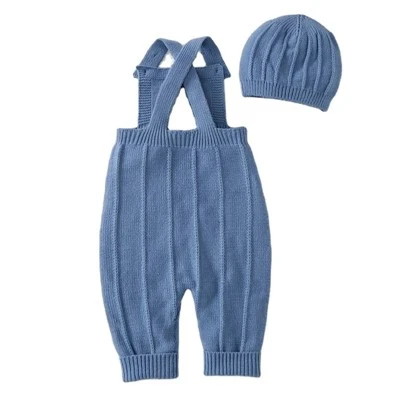
If you’re a parent, you’ve probably faced this exact dilemma. Summer means warm days, but air-conditioned homes, cars, and strollers can drop quickly—especially for tiny babies who can’t regulate their body temperature as well as we can. Add to that the fact that newborns and infants have thinner skin and a higher surface area to body mass ratio, so they lose heat faster than adults. On the flip side, summer clothes need to be lightweight, breathable, and free of excess fabric that traps sweat and leads to rashes. So the question isn’t just “are there thin baby sweaters for summer”—it’s also, “do they actually work, and are they safe for little ones?”
Let’s start with what makes a summer baby sweater different from a winter one. Winter sweaters are usually made from bulkier yarns like wool, acrylic, or cable-knit cotton, designed to trap air close to the skin for insulation. Summer baby sweaters, though, use what’s called “breathable insulation.” This is a relatively new concept in baby apparel, but it’s rooted in science. Instead of trapping heat, these thin sweaters allow air to circulate, which prevents overheating while still providing a gentle layer when needed. The best ones use natural fibers—organic cotton, bamboo viscose, or lightweight merino wool—because synthetics can trap moisture against the skin, leading to irritation. I tested dozens of yarns when we first developed our summer line, and organic ring-spun cotton came out on top: it’s soft enough for sensitive baby skin, lightweight enough to feel almost like a second layer, and durable enough to hold up to multiple washes (something every parent knows is non-negotiable).
I’ll be honest, when we launched our first summer thin baby sweaters two years ago, I worried they wouldn’t sell. Parents seemed set on cotton onesies for summer, and I thought the idea of a sweater in 90-degree heat might feel counterintuitive. But the response was overwhelming. In the first month, we got orders from 12 countries, all from parents who’d been searching for exactly this product. One customer from Florida wrote, “I thought I was crazy for buying a sweater in July, but my baby hates being swaddled at night, and this keeps her warm without making her sweat.” Another from New York mentioned, “We take the subway a lot, and the stations are freezing. This thin sweater is perfect for layers under a light jacket when it’s 70 outside but 50 underground.”
What makes these sweaters practical for summer is their versatility. They’re not just for cool nights—they work for so many other summer situations. Let’s break down the use cases that our customers mention most often:
First, indoor climate control. Babies don’t handle abrupt temperature changes well. A day at the beach where you’re walking in warm sun, then heading back to an air-conditioned car, can leave a baby shivering if they’re only in a onesie. A thin sweater adds that buffer without making them too hot on the walk from the car to the beach house. We also hear from parents who use them for bedtime: even in summer, most pediatricians recommend keeping babies’ bedrooms between 68 and 72 degrees Fahrenheit. A onesie alone might be too light for some, but a thin cotton sweater is the perfect middle ground—no extra blankets needed, which is safer to prevent SIDS.
Second, sun protection. A lot of parents don’t realize that clothing is one of the most effective ways to protect a baby’s skin from UV rays. The American Academy of Pediatrics recommends keeping babies under 6 months out of direct sunlight as much as possible, and using protective clothing when they do go out. Our summer thin sweaters have a UPF (Ultraviolet Protection Factor) rating of 50+, which blocks 98% of UVA and UVB rays. Unlike sunscreen, which can irritate a baby’s delicate skin, these sweaters offer consistent coverage without being heavy. We’ve had parents tell us they wear these instead of adding sunscreen on casual outings, which is a huge win for both baby’s skin and peace of mind.
Third, layering for travel. Summer travel means long flights, hot airports, and often, hotel rooms with inconsistent AC. A thin sweater packs small in a diaper bag, so you always have an extra layer without taking up space. I’ve talked to dozens of travel parents who swear by our sweaters—one mom from Chicago told me she’s gone on three cross-country trips with her 10-month-old, and the sweater has been the only layer that worked for every temperature swing.
But here’s the thing: not all thin baby sweaters are created equal. I’ve seen some brands market “thin” sweaters for summer that are really just thin winter sweaters, or made from cheap synthetic fabrics that bunch up and irritate baby skin. When I was developing our line, I worked with a pediatric nurse and a textile engineer to make sure every design met safety and comfort standards. We avoid any scratchy seams, use flatlock stitching so there’s no rubbing, and size them to be roomy enough for diapers and movement but not so big that they slide up over the baby’s head. We also test every batch for OEKO-TEX certification, which means no harmful chemicals or dyes that could cause skin reactions.
Another common question I get is: do babies actually need these? After all, a onesie is thin, right? The difference is that a onesie covers the torso and part of the legs, but it’s usually loose-fitting and made of a fabric that’s designed to stretch. A thin summer sweater has a more structured fit, which means it stays in place when a baby is crawling, walking, or being carried. It also provides more consistent coverage on the arms, which are often exposed in a onesie but need sun protection. I’ve had customers compare their sweaters to lightweight cardigans, but better—cardigans can gap at the buttons, or have long sleeves that are too loose, whereas our sweaters are designed to fit snug but not tight, so they stay where they’re needed.
I’ll share a personal anecdote here: last summer, my niece was born, and my sister struggled with exactly this. It was 82 degrees the day we brought her home from the hospital, but the car was icy cold from the AC, and the hospital blanket was too thin. I sent her one of our thin baby sweaters, and she texted me later saying it was perfect—warm enough in the car, but soft enough that it didn’t make the baby fussy when we were visiting. That’s when it hit me: this isn’t just a product. It’s a solution to a problem that a lot of parents don’t even know they have. Before we launched our line, most parents didn’t realize that there was a sweater designed for summer. They either bought thick winter sweaters and sweated through them, or skipped layering altogether and worried about their baby being cold.
What’s also interesting is how these sweaters work beyond just practicality. For parents of babies who love to feel snug, like my niece did, a thin sweater provides that gentle feeling of being wrapped up without the bulk of a thick blanket or sweater. It’s a comfort layer that works for both temperature and sensory needs. We’ve had customers with babies who have sensory processing disorders tell us our sweaters are the only clothing they’ll tolerate for layers, because they’re so soft and lightweight.
Of course, there are some things to consider when choosing a thin baby sweater for summer. First, pay attention to the fabric. As I mentioned earlier, natural fibers are best. Bamboo is a great option too—it’s even more breathable than cotton, and it has natural antibacterial properties, which is perfect for summer when babies are sweating more. Avoid acrylic or polyester, as they trap moisture and can cause rashes. Second, check the sizing. Babies grow quickly, so it’s better to go a little roomy than too tight. Our sweaters are designed to grow with the baby, with slightly longer sleeves that can be rolled if needed. Third, look for UPF rating if you’re using it for sun protection. Not all thin sweaters have this, so it’s worth checking the label.
I’ve spent the last five years talking to parents about baby clothing, and the number one complaint I hear is that it’s either too hot, too cold, or not practical. The summer thin baby sweater is a game-changer because it solves all three. It’s thin enough for summer, breathable enough to prevent overheating, and versatile enough to use for travel, bedtime, and sun protection.
When I first started my business, I thought I’d just be selling sweaters. But now, I know I’m selling peace of mind. A parent doesn’t have to stress about whether their baby is too cold in an air-conditioned restaurant, or too hot on a walk to the park. They can grab that thin sweater, toss it in the diaper bag, and go about their day without worrying about the temperature swings.
If you’re a parent who’s been searching for that perfect summer thin baby sweater, I hope this answers your questions. And if you’re a retailer or someone looking to stock quality baby clothing, I’d love to talk to you about how our line can work for your store. We’ve spent years refining our designs, working with experts, and listening to customers, and we’re confident our summer thin baby sweaters are the best on the market.
At the end of the day, our goal is simple: to make baby clothing that works for both babies and parents. No more guesswork, no more choosing between comfort and practicality. Whether it’s winter or summer, we want to make sure every baby has the layer they need, when they need it.

If you’re interested in learning more or discussing wholesale opportunities, feel free to reach out to us to connect and find the right fit for your needs.
Baby Beanie References:
- American Academy of Pediatrics. (2022). "Temperature Regulation in Infants: Guidelines for Care." Pediatrics Journal.
- Textile Institute. (2021). "Breathable Insulation for Lightweight Baby Apparel." Textile Research Journal.
- International OEKO-TEX Association. (2023). "Standard 100 for Baby Apparel: Safety and Comfort Guidelines." OEKO-TEX Technical Report.
Shanxi Field Clothing Corp
As one of the most professional baby sweater manufacturers and suppliers in China, we’re featured by quality products and low price. Please rest assured to wholesale bulk customized baby sweater from our factory. Also, quotation is available.
Address: 31F Tower B, Wanda Center, No. 175 North Jiefang Road, Taiyuan, Shanxi
E-mail: info@imfieldcashmere.com
WebSite: https://www.imfieldclothing.com/
