If you’ve ever walked into a commercial office, a residential renovation, or a new retail space, chances are you’ve glanced at a gypsum ceiling board without even realizing it. For those of us who supply these boards, we know that picking the right paint for them isn’t just about covering up a plain white surface—it’s about protecting the material, extending its lifespan, and matching the specific needs of the space it’s in. Too often, contractors and DIYers reach for generic paint, only to deal with peeling, discoloration, or moisture damage within a year. After 12 years in the gypsum ceiling board supply industry, I’ve seen this mistake play out again and again, and today I’m breaking down exactly what type of paint works for gypsum ceiling boards, why, and what to avoid. Gypsum Ceiling Board
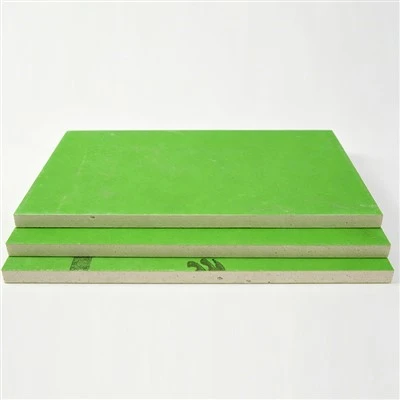
First, let’s start with the basics: what makes gypsum ceiling boards unique. Gypsum is a soft, mineral-based material that’s porous by nature—it absorbs moisture, which is why standard gypsum boards often come coated with a thin layer of paper or fiberglass to add durability. That porosity is non-negotiable when it comes to paint; it means the paint needs to adhere well, not sit on top and peel off. It also means the board can be damaged easily if moisture seeps in, so the right paint has to act as a barrier against humidity, especially in spaces like bathrooms, kitchens, or basements. A lot of people don’t realize that regular latex paint, for example, won’t hold up in high-moisture areas on gypsum. The water in the paint itself can seep into the board, causing it to warp or even crumble over time.
Let’s talk about the two main categories of paint that work for gypsum ceiling boards, starting with the most common and versatile: interior acrylic latex paint. This is the go-to for most residential and commercial spaces that aren’t exposed to excessive moisture. Why acrylic latex? It’s water-based, which means it’s low-VOC (volatile organic compounds) compared to oil-based paints, making it safe for indoor use where people will be breathing it in, especially if it’s a bedroom or office. The acrylic resin in this paint creates a flexible, durable film that bonds well to porous gypsum surfaces—unlike oil-based paints, which can be too stiff and crack as the gypsum board expands and contracts with temperature changes. That flexibility is key; gypsum shifts ever so slightly with humidity and temperature fluctuations, so a rigid paint will break away from the board over time.
But not all acrylic latex paint is created equal. For gypsum ceiling boards, we recommend a 100% acrylic latex paint, not a blend with vinyl or other cheaper resins. The 100% acrylic version is more water-resistant, fade-resistant, and easier to clean—important for spaces that might get dust, smoke, or occasional scuffs. It also comes in a flat or eggshell finish, which is perfect for ceilings. Flat finish minimizes light reflection, which hides small imperfections in the gypsum board that are impossible to fully sand out, while eggshell has a slight sheen that’s more durable if you need to wipe it down (great for hallways or kids’ play areas). A common mistake here is picking a semi-gloss or high-gloss paint for ceilings—those are too shiny, they highlight every seam and uneven spot on the gypsum board, and they’re harder to apply evenly without showing brush strokes or roller marks.
Now, for spaces that do have high moisture: bathrooms, commercial kitchens, laundry rooms, or basements with leaky pipes. In these areas, standard acrylic latex paint won’t cut it. You need a specialty moisture-resistant or mold-resistant paint, and specifically, a 100% acrylic latex paint with an added mildewcide. Wait, let’s clarify: not all mold-resistant paints are the same. Some just have a biocide that prevents mold on the paint surface, but gypsum is a food source for mold if moisture is present, so you need a paint that also acts as a vapor barrier. Vapor barriers stop excess moisture from seeping into the gypsum board, which is the main cause of mold growth behind the ceiling. Another option for high-moisture spaces is epoxy paint, but let’s be clear: epoxy is durable, but it’s also very rigid. It can crack if the gypsum board moves, and it’s harder to patch if you need to repair a section of the ceiling later. For that reason, we usually recommend epoxy only for commercial kitchens where the ceiling will be exposed to regular grease splatters, not residential bathrooms.
Now, what type of paint to absolutely avoid on gypsum ceiling boards. First, oil-based alkyd paints. They’re solvent-based, which means they have high VOCs, take forever to dry, and as I mentioned earlier, they’re too rigid for gypsum’s natural movement. We’ve seen too many jobs where contractors used oil-based paint, and within six months, the paint was peeling away from the ceiling because the gypsum expanded slightly and the paint couldn’t stretch with it. Second, exterior house paint. Exterior paint is designed to withstand rain, wind, and UV rays, but it’s way too thick for interior gypsum ceilings. It will take longer to dry, and it won’t allow the gypsum board to “breathe” a little—trapped moisture inside the board will cause it to swell from the inside out, leading to bubbles in the paint. Third, cheap, generic acrylic paint from a big box store’s budget line. These often use lower-quality resins that don’t bond well to porous surfaces, and they fade quickly from sunlight if the ceiling is in a space with large windows. We’ve had customers come back to us saying their paint turned yellow after a year, and it was because they picked the cheapest acrylic instead of a 100% acrylic formula.
Let’s also talk about prep work, because even the best paint won’t work if you skip the right prep. This is where suppliers like us can offer extra value to our clients—we don’t just sell gypsum boards, we share what we’ve learned about making the paint job last. First, after installing the gypsum ceiling board, you need to fill all the seams and screw holes with joint compound, then sand it smooth so the surface is even. If there are any leftover paper scraps on the board, sand those off too—they will cause the paint to flake where the paper pulls away from the gypsum. Second, always prime the gypsum board before painting. A lot of people skip priming, thinking the paint will stick on its own, but gypsum is so porous that it will soak up all the paint’s moisture, leaving a thin, uneven coat. A good primer seals the porous surface, so the paint goes on evenly and adheres properly. For gypsum, we recommend a water-based drywall primer, not an oil-based primer. Oil-based primer will also trap moisture in the board, even if you’re painting with latex.
I want to share a real example that stuck with me, because it’s exactly why this topic matters. A couple of years ago, a contractor came to us for gypsum boards for a 1,200-square-foot office renovation. He told us he was using a $10 a gallon acrylic paint from a local discount store, and he planned to skip the primer. We warned him that this would lead to peeling within a year, but he went ahead anyway. Six months later, he was back, asking for replacement boards because half the ceiling paint was flaking off, and the gypsum under it was warped from trapped moisture. We supplied new boards, but we insisted he use a 100% acrylic primer and a $30 a gallon premium acrylic latex paint. Last I checked, three years later, that ceiling was still perfect. That’s the difference between picking the right paint and cutting corners.
Another point to consider: if you’re painting a ceiling with exposed gypsum (not finished with joint compound), like in a warehouse or unfinished basement, you’ll need a paint that seals the raw gypsum. Raw gypsum is even more porous than finished board, so you need a specialized gypsum sealer first, then a latex paint. If you skip the sealer, the paint will sink into the pores and leave streaks, and the raw gypsum will absorb moisture from the paint, causing it to break down. For commercial spaces like warehouses, we also recommend adding a reflective paint if you want to cut down on lighting costs—some acrylic latex paints are formulated to reflect light, so you can use fewer fixtures and save on energy bills.

Let’s wrap this up with a quick cheat sheet, so you don’t have to guess what to pick:
- For standard residential ceilings, offices, or low-traffic commercial spaces: 100% acrylic latex paint, flat or eggshell finish.
- For bathrooms, kitchens, basements, or high-moisture commercial spaces: Mold-resistant 100% acrylic latex paint with a vapor barrier.
- For commercial kitchens with frequent grease exposure: Epoxy paint (note: will require more maintenance and is harder to patch later).
- Always prime the gypsum board first with a water-based drywall primer.
- Avoid oil-based paints, exterior paint, and cheap generic acrylic paints.
Gypsum Wall Board As a gypsum ceiling board supplier, our job isn’t just to sell you the best boards—it’s to help you get the finish that lasts. Too many renovations go wrong because of a small detail like the wrong paint, and that’s avoidable. If you’re planning a project, need guidance on paint selection for your specific space, or want to discuss gypsum ceiling board options that work with your paint choice, we’re here to help. Contact our team to connect with a specialist who can walk through your project needs, share tailored recommendations, and make sure your ceiling looks great for years to come.
References
- National Gypsum Company. (2021). Gypsum Board Finish and Paint Guidelines. National Gypsum Construction Handbook.
- American Coatings Association. (2022). “Selecting Paints for Interior Porous Surfaces.” CoatingsTech Magazine.
- International Code Council. (2020). Residential Building Code: Gypsum Wall and Ceiling Board Installation and Finishing Standards.
- US Environmental Protection Agency. (2021). “Low-VOC Paints for Indoor Applications.” Indore Air Quality and Energy Conservation Program.
- Drywall Finishers Association. (2022). “Common Paint Failures on Gypsum Ceilings and Preventative Measures.” Professional Drywall Finishing Journal.
Shandong Hongyuanli Building Materials Co., Ltd.
We are one of the most professional gypsum ceiling board manufacturers in China, also support customized service. With abundant experience, we warmly welcome you to buy high quality gypsum ceiling board for sale here from our factory. Contact us for more details.
Address: NORTH YOON VILLAGE, HUYANG TOWN, FEI COUNTY, SHANDONG PROVINCE, CHINA
E-mail: admin@hylgypsum.com
WebSite: https://www.hylgypsum.com/
