If you’ve been in the electroplating or electrowinning space for even a little while, you’ve probably stared down the same question at some point: cathode plates are make-or-break for your whole operation, so why would you settle for less? I’m on the front lines supplying ISA Stainless Steel Cathode Plates to guys like you who know that skimping on cathode materials doesn’t just cost money—it kills productivity and messes with product quality. Let me walk you through why ISA stainless steel beats every other option out there, no fluff, just real stuff we see every day. ISA Stainless Steel Cathode Plate
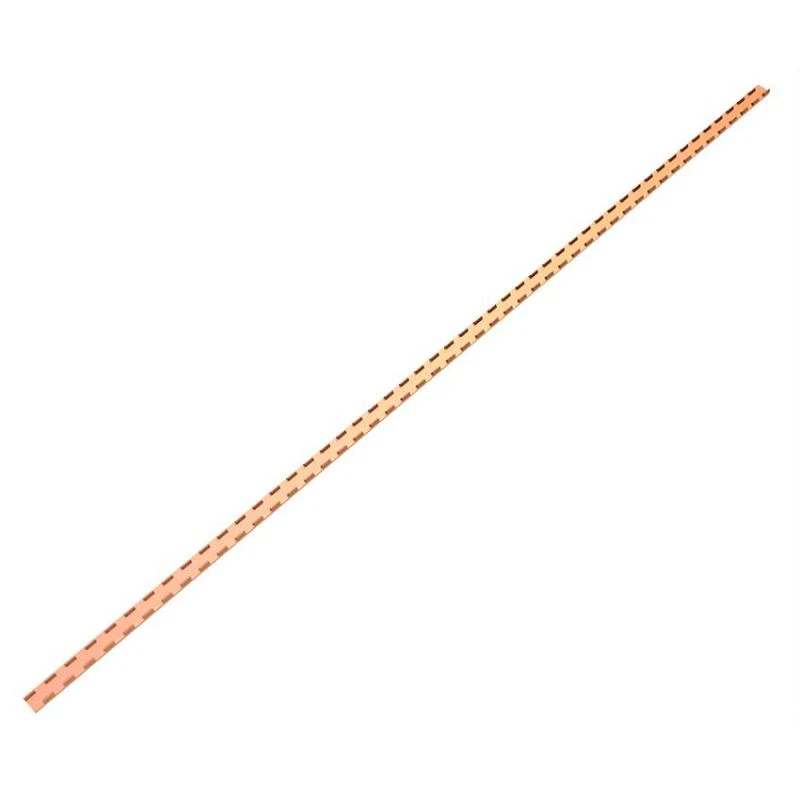
First, let’s cut through the noise: what ISA plates actually are, and why they’re not just another “stainless steel plate” off the shelf. I know a lot of operators grab generic stainless steel because it’s cheaper, but here’s the dirty secret—generic stuff has inconsistent alloys, thin builds, and no engineering built for the electrowinning/plating cycle. ISA plates aren’t just cut from a roll of stainless steel; they’re specifically engineered for the repetitive, harsh conditions of depositing metals like copper, zinc, or nickel. They have that unique ribbed back design that cuts down on deformation—something generic plates will warp so bad after a few cycles they’re unusable. I’ve seen guys switch to generic stainless, save a few bucks upfront, but then have to replace plates every 3 months instead of every 18 months. That adds up way faster than the initial discount, trust me.
Let’s talk about corrosion, because that’s the big one in metal extraction. Your cathode is sitting in a chemical bath 24/7—acids, alkalis, whatever your process uses. Regular carbon steel plates rust through in weeks, plain stainless steel? It can still pit if it’s not formulated for that specific environment. ISA plates use a high-grade 316L stainless (or even better, custom alloys for tough baths) that’s been passivated properly. Passivation isn’t some fancy buzzword—it’s a process that seals the steel’s surface to stop reactive chemicals from eating at it. I had a client last year who switched from plain 304 stainless to ISA plates in their acid copper bath; before, his plates were pitted so bad the deposited copper would have tiny holes in it, making it unmarketable. After switching, pitting dropped by 90% and his yield went up almost 12% in the first 6 months. That’s not a number I pulled out of thin air—we track every order because that’s how we know what works.
Next up: stripping efficiency. Stripping is when you pull the deposited metal off the cathode to get your finished product, right? If stripping is a pain, you lose hours every shift, damage the cathode, and even damage the metal sheet itself. Generic plates have a smooth surface, so sometimes the deposited metal welds itself to the plate a little too well—you have to use hammers or chemicals to pry it off, and half the time you’re nicking the plate or leaving metal residue that causes issues next cycle. ISA plates have a micro-textured surface (it’s part of the manufacturing process, no extra work) that lets the deposit release cleanly. No more sledgehammers, no more ruined plates. One of my regular clients does 1,000 strips a week, and he told me his stripping time per load went from 45 minutes to 15 minutes once he switched to ISA. That’s an extra 2 hours a shift he can use for actual production, not dealing with stuck metal.
Wait, let’s not sleep on structural durability. I mentioned the ribbed back earlier, but let’s get specific: generic plates are usually 3mm thick, and after a few dozen cycles, they bend so much when you lift them out of the bath that you can’t set them straight on the loading racks. That means you’re either throwing them away or paying a welder to straighten them, which adds more cost. ISA plates are 4mm thick (and some heavy-duty versions for zinc or nickel) with reinforced ribs that keep them rigid even after 500+ cycles. I’ve had a plate that’s lasted 3 years now—still straight, still works—while a generic plate would have been toast in 6 months. And when you’re lifting 50-pound plates 10 times a shift, rigid means less chance of bending, less chance of breaking, less chance of injury for your crew. Small thing, but it adds up to way less downtime and fewer HR headaches.
Now, let’s compare to the other common alternative: lead plates. I know a lot of old-school ops still use lead cathodes—they’re cheap, right? But c’mon, lead is terrible. First, it’s super heavy. A lead cathode is twice as heavy as an ISA stainless steel plate, so lifting them, loading them, moving them around? Your crew hates it, and it’s way more work. Then there’s the safety stuff: lead is toxic. Even with PPE, you get lead dust, lead residue, exposure over time. OSHA regulations are tightening up on lead handling, so if you run a shop with lead plates, you’re gonna have to spend money on new ventilation, training, PPE—costs that aren’t factored into that initial cheap price. Also, lead plates can introduce impurities into your metal bath. I’ve seen copper cathodes that had tiny lead flecks in them because the lead plate corroded a little, and that ruined a whole batch of product. That’s a way bigger loss than the price difference between lead and ISA plates.
Another alternative I see guys test sometimes is aluminum plates. Aluminum sounds like a good deal—light, cheap—but here’s the catch: aluminum reacts with most electrolytes used in electrowinning. It corrodes fast, and when it does, it leaves aluminum residue in your metal deposit. That makes your finished product unusable for most industrial applications—no one wants copper with aluminum impurities. Also, aluminum is soft, so it bends way easier than stainless, which means you’re replacing them every couple of months. I had a small mining client try aluminum plates once; they saved $200 upfront, but after 2 months, they had to replace all 20 plates because half were bent, and the copper they produced had 0.5% aluminum content, which meant they couldn’t sell it as Grade A copper. Ended up spending more than if they’d just gone with ISA plates from the start.
Wait, let’s talk about long-term costs, because that’s the thing no sales rep will tell you. I do a quick cost breakdown with every new client, and it always shocks them. Let’s say a generic stainless steel plate is $100, lasts 6 months. An ISA plate is $180, lasts 24 months. Over 2 years: generic is $400, ISA is $180. That’s half the cost, plus you don’t have downtime replacing plates every few months. Add in the stripping efficiency, better yield, less maintenance, and it’s not even close. The cheap alternative is never actually cheap in the long run.
Oh, and customizability. A lot of ISA plates can be cut to your exact size, adjusted for your specific racking, even coated if you have a super aggressive bath. Generic plates are one-size-fits-most, which means you have to mod them to fit your setup, that takes time and money. ISA plates come ready to install, no modding. I work with shops that have custom racking for different metals, and we can tweak the plate’s dimensions in a week, no extra lead time. That’s the kind of flexibility you can’t get with off-the-shelf stuff.
Let me be honest here: I’m not here to bash every alternative. If you’re doing a tiny, low-volume hobby operation, maybe a cheap plate works for you. But if you’re running a commercial shop—whether it’s electrowinning copper, zinc, nickel, or electroplating for automotive or electronics parts—you can’t afford the headaches from generic plates, lead, or aluminum. The downtime, the ruined batches, the replacement costs, the safety risks? It’s all way more expensive than paying a little more upfront for a plate that works the way it’s supposed to.
I’ve been supplying ISA stainless steel cathodes for 8 years now, and I hear the same pushback every time: “it’s too expensive.” Then I run the numbers, and every single one of those guys comes back to me 6 months later saying they wish they’d switched sooner. Last quarter, a guy from a zinc refinery called me—he’d been using lead plates, had just had a regulatory inspection that made him get rid of all lead, and he was panicking because he couldn’t find a replacement fast. We got him ISA plates in 3 days, and he told me that in the first month, his production went up 8% because of less downtime. That’s the kind of result we deliver.
At the end of the day, your cathode plates are the foundation of your operation. If they’re flimsy, corroded, hard to strip, or messing up your product, nothing else you do matters. ISA stainless steel plates aren’t just a product—they’re built for the exact conditions you’re working in, tested by thousands of operations, and proven to save you money and hassle.

If you’re tired of replacing plates every few months, dealing with pitting that ruins your product, or wasting time on bad stripping, let’s talk. No sales pitch, no fine print, just straight up info on how ISA plates can work for your shop. Reach out, and we can chat through your specific setup, your current pain points, and put together a quote that makes sense.
Cladding Bar for PCB and Metallurgy Industry References:
- International Journal of Mineral Processing, “Corrosion Behavior of Stainless Steel Cathodes in Acid Copper Electrowinning Solutions”
- Electrochemistry Communications, “Stripping Efficiency of Micro-Textured Cathode Surfaces for Metal Extraction”
- Occupational Safety and Health Administration (OSHA), “Lead Exposure Standards for Metal Mining Operations”
- Journal of Applied Electrochemistry, “Structural Durability of Cathode Plates in High-Volume Electrowinning Processes”
AATI Cathode Co., Ltd.
AATI Cathode Co., Ltd. is one of the leading isa stainless steel cathode plate manufacturers and suppliers in China. We warmly welcome you to buy high-grade isa stainless steel cathode plate made in China here from our factory. All customized products are with high quality and competitive price. Contact us for free sample.
Address: NO.1, ZHENXING ROAD, BAOJI CITY, SHAANXI, CHINA
E-mail: ivy@bjaati.com
WebSite: https://www.bjcathode.com/
