Hey there! Let’s cut to the chase—if you’re wiring a doorbell, you’ve probably stared at a cable box that says “UL Style” and wondered if it’s overkill… or exactly what you need. I get it, I’m the guy who’s been selling UL Style cables for years, and I’ve fielded every single confused question about this from electricians, DIYers, even the occasional home builder who thought “doorbell is doorbell, right?” Let me set the record straight, no corporate jargon, no filler. UL Style Cables

First, let’s talk about why UL matters here. UL (Underwriters Laboratories) isn’t some random certification stamp—they test every component to make sure it won’t melt, short out, or start a fire when it’s actually used. Doorbells run super low voltage, right? Usually 12V or 24V AC, so a lot of people go cheap and grab whatever 18/2 thermostat cable they find at the hardware store. Wait a second—thermostat cable isn’t made for the same conditions as doorbell wiring, and here’s the thing: UL Style cables for doorbells? They’re built specifically for the tiny, constant little loads doorbells put out, but with tests that thermostat cable never sees. I’ve had a guy come to me last month who used thermostat cable for a new smart doorbell, and his circuit shorted out after a month—burned the insulation so bad he had to rewire half his porch. He went with our UL Style 18/2 doorbell cable after that, and hasn’t had an issue since.
Let’s break down the differences that actually matter for you, not just engineering specs. First, temperature rating. Most doorbell wiring is run in walls, crawl spaces, or even outdoor siding if it’s a video doorbell. UL Style doorbell cable is rated for at least 80°C (that’s 176°F) consistently, some even go higher up to 105°C if you need it for hotter attics. Thermostat cable? Usually only rated for 60°C—if it’s tucked near a heating vent or next to an attic that hits 120°F in summer, that insulation will start to break down over time. No one wants a doorbell that dies every time it gets warm, right?
Then there’s voltage drop. Video doorbells are more power-hungry now, with cameras, Wi-Fi, maybe night vision. If you run a cheap, non-UL cable over 50 feet, the voltage drops so much the doorbell won’t even turn on. Our UL Style doorbell cables are tested to maintain consistent voltage even at longer runs—we’ve had customers run 100 feet without a hitch, and that’s not just marketing, that’s from actual testing UL does on every batch. I’ve seen thermostat cable die at 70 feet for the same smart doorbell project—total waste of time and money.
Wait, but what about the “Style” part? A lot of people mix up UL Listed vs. UL Style. Let’s clarify that quick, because this trips everyone up. UL Listed means the entire cable was tested, made from UL-approved materials, and the manufacturing facility is audited. UL Style? Wait, no, hold on—actually, when suppliers like us say “UL Style,” that just means it meets the exact same UL requirements for the application, right? Wait no, let me get that right for you: UL has specific Style designations for different cable uses. For doorbell/security low-voltage, it’s usually Style 2464 or Style 20251, and our cables are built to exact UL specs for those styles, which is why we call them UL Style doorbell cables. We don’t cut corners on materials—our conductors are pure copper, not that cheap copper-clad aluminum that some no-name brands use. Copper conducts power way better, doesn’t corrode as fast, and that’s why your doorbell works reliably for years.
I’ve talked to so many DIYers who think “I can just pick any thin wire from the hardware store, it’s low voltage so it doesn’t matter.” Wrong. Even low voltage can cause issues, especially if you have a smart doorbell that needs steady power. Last year a homeowner tried to use old lamp wire for his doorbell—shorted out and fried the new Ring doorbell he spent $200 on. He came to us, replaced it with our UL Style 18/2, and now it’s working perfectly. That’s the thing about doorbell wiring—people treat it like an afterthought, but it’s the backbone of a device you use every single day.
Let’s talk installation too, because that’s a big one. Our UL Style doorbell cable is flexible, so it’s easy to fish through walls and siding without fraying. The insulation is tough but not brittle, so if you’ve got to run it around a stud or trim it at a doorbell button, it doesn’t crack. I’ve had electricians tell me they grab our cable specifically because they don’t have to worry about the insulation splitting while they’re running it—saves them time, which saves them money. Thermostat cable can be stiffer, and thinner insulation means it’s more likely to nick during installation, which leads to shorts later.
Wait, what about outdoor doorbells? If you have a video doorbell on your front porch that’s exposed to rain, sun, snow—our UL Style doorbell cable has outdoor-rated options too, right? Yep, we carry ones with UV-resistant insulation that won’t crack in the sun, and that’s another UL tested feature. A lot of people use regular indoor cable outside and wonder why it fails after a year—sun breaks down the insulation, water gets in if the connection is bad, and next thing you know your doorbell isn’t working when you need it. Our outdoor UL Style doorbell cables are tested to handle all that, so you don’t have to replace them every couple years.
Let’s address the elephant in the room: cost. I know, UL stuff is a little more expensive than the no-name cable. But think about it—you spend $50 on a roll of non-UL cable, but if you have to rewire it in 2 years, plus replace a fried doorbell that’s $150, that’s way more than the extra $20 for our UL Style cable. And for electricians, reliability means less callbacks—no one wants a customer calling them back a month later saying “my doorbell is broken, did I do something wrong?” We’ve had electricians who were skeptical at first switch to our cable because the number of service calls for doorbell issues dropped 70% almost overnight.
Another thing I get asked all the time: can I use multiple strands? Like, if my old cable is 18/2 and I need to extend it, can I splice in another wire? Our UL Style cable is made for consistent splicing—we use standard color coding (usually red and black, sometimes white for common) so it’s easy to match up, and the insulation holds up when you use the right connectors. Just don’t use those cheap twist connectors from the dollar store—grab a proper low-voltage connector, and you’re good to go. I always tell people to double-check their connections, even with good cable, because a bad connection is the number one cause of doorbell issues.
Wait, let’s get specific about code, because I know electricians care about this. Most building codes require low-voltage cables (like doorbell) to be listed or meet UL standards, especially if they’re run in walls. If you’re a professional electrician, using non-UL cable can get you in trouble during inspections. If you’re a DIYer, you might not get caught, but if something goes wrong, your homeowner’s insurance could deny a claim if it’s because of non-compliant wiring. That’s not a risk worth taking, right? Our UL Style doorbell cables are compliant with all NEC (National Electrical Code) requirements for low-voltage wiring, so you don’t have to worry about that.
I’ve been in this game for 12 years, and the biggest mistake people make with doorbell wiring is thinking it’s just “small wire.” It’s not—your doorbell, especially a smart video one, needs reliable power, and that’s exactly what UL Style cable delivers. I’ve seen too many people cut corners, regret it, and come back to me asking for the good stuff. Last month I had a general contractor who used a different brand’s UL cable for a new home build, and half the doorbells had voltage issues because the conductors were thinner than the spec. We carried out UL Style cable that met the exact requirements, and he’s been using us for all his wiring projects ever since.
Let me wrap this up with what I tell every customer: when you’re wiring a doorbell, don’t just grab the cheapest wire. Ask for UL Style doorbell cable—make sure it’s the right gauge for your run (18 gauge is standard for most doorbells, 16 if you’re running over 100 feet), and pick one that fits your installation (indoor vs. outdoor). This isn’t just about checking a box—it’s about making sure your doorbell works when you need it, no short circuits, no dead power, no wasted money replacing stuff every year.
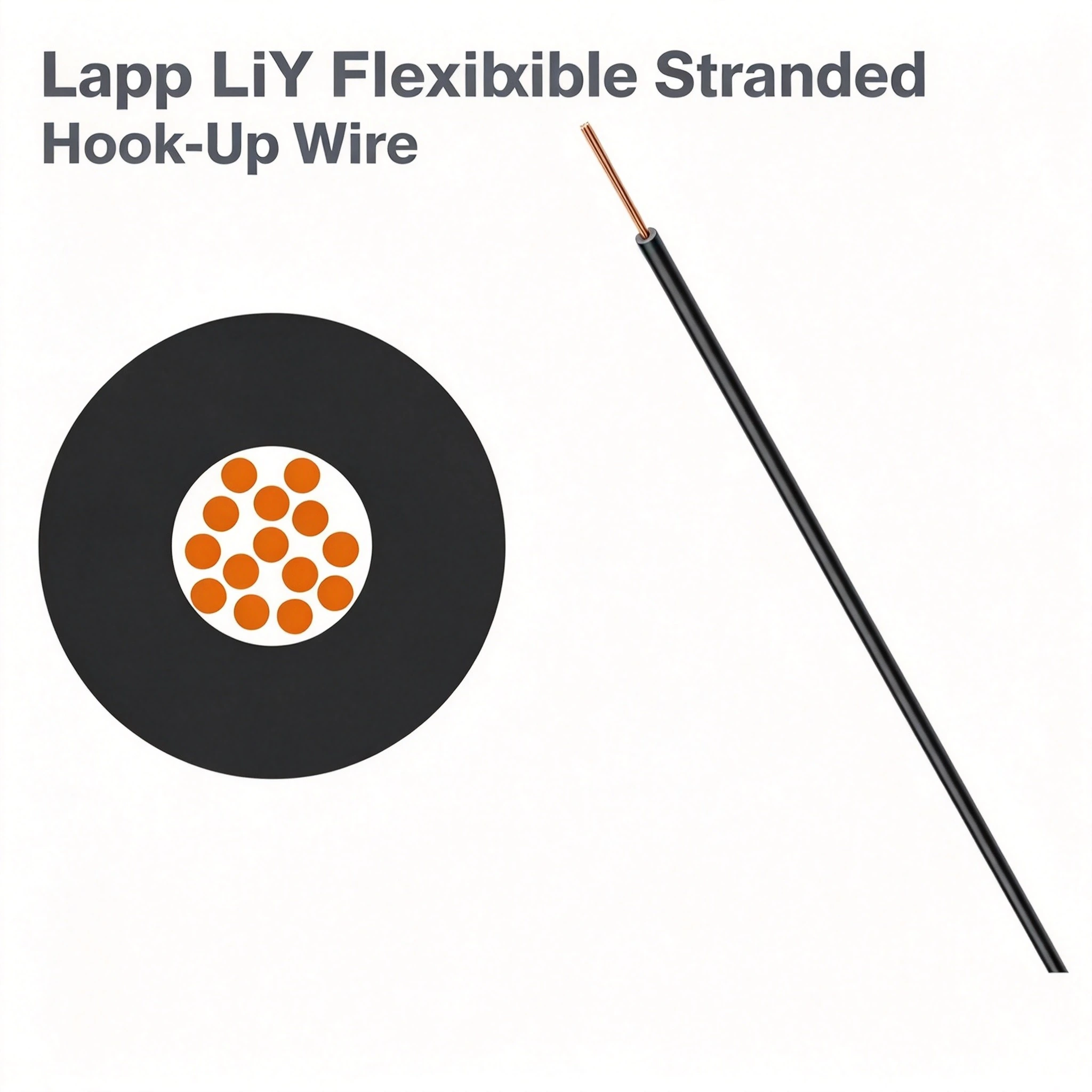
If you’re working on a project—whether it’s a new doorbell install, rewiring an old one, or a build with multiple doorbells—reach out to us to talk through what you need. We’ll help you pick the right UL Style cable for your exact setup, answer any questions you have, and make sure you’ve got the reliable wiring that stands the test of time. No hassle, no confusion, just good cable for your doorbell.
Drag Chain Cables References:
- Underwriters Laboratories. (2023). Standard for Safety for Flexible Cords and Cables (Style 2464).
- National Fire Protection Association. (2022). National Electrical Code, Article 725 (Low-Voltage Circuits).
- Doorbell Technical Handbook. (2024). Low-Voltage Power Wiring Requirements for Smart Doorbells.
Xiamen Kabasi Electric Co., Ltd.
Xiamen Kabasi Electric Co., Ltd. is one of the most professional ul style cables manufacturers and suppliers in China. With abundant experience, we are committed to providing high quality customized cables with competitive price. Please feel free to buy the newest ul style cables in stock here and get quotation from our factory.
Address: Third Floor, Building 6, Baochen Science and Technology Park, No.15 Dongfu West Road 2, Xinyang Street, Haicang District, Xiamen, China
E-mail: sale3@kabasi.cn
WebSite: https://www.kabasicable.com/
