If you’ve ever tackled a bathroom remodel, you’ve probably found yourself staring at that old linoleum floor, weighing whether you can skip the messy demo work and just lay your new shower base right on top. As a shower base supplier who’s fielded this exact question dozens of times from homeowners, contractors, and handymen, I’m here to break this down honestly—no sales fluff, just the real science and practical know-how I’ve picked up over 12 years in the business. Let’s start with the basics: can you actually install a shower base over linoleum? The short answer is: it’s possible, but only if you do it right. Cut corners, and you’re looking at leaks, cracked bases, or even structural damage down the line. Shower Base
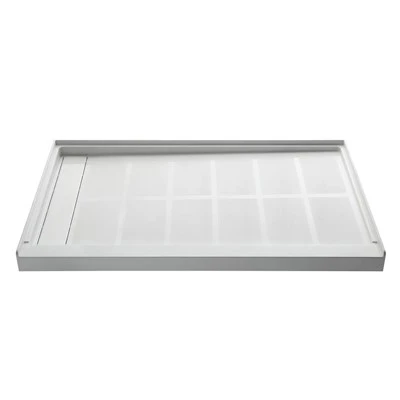
First, let’s talk about why linoleum seems like a tempting base layer. Demoing old linoleum means tearing up adhesive, patching subfloors, and dealing with uneven surfaces—work that adds time, labor, and unexpected costs. Linoleum is also relatively smooth and flat, which seems like a good foundation at first glance. But here’s the thing most people miss: linoleum isn’t designed to support the concentrated weight of a full shower (that’s 100+ gallons of water, plus you, your family, and any guests). Plus, linoleum has a hidden flaw: it’s porous, especially as it ages. Over time, linoleum can absorb moisture, which means if there’s any gap between the shower base and the floor, that moisture can seep through, get trapped under both, and turn into mold or mildew. That’s a problem because mold can rot your subfloor, leading to expensive repairs you never planned for.
Now, let’s get into the specifics of what works and what doesn’t, from someone who’s seen both the success stories and the horror shows. First, the type of linoleum matters a lot. If you’re dealing with newer, high-quality commercial-grade linoleum that’s glued down to a solid, level plywood or cement backer board subfloor, you’ve got a better shot than if you’re working with thin, outdated residential linoleum that’s lifting at the edges or has wrinkles. Even so, you can’t just set the shower base on top of linoleum and call it a day. The key here is reinforcement. Shower bases, especially acrylic or fiberglass models (the most common types we supply), are lightweight but rigid—they need a stable, non-flexible surface to sit on. Linoleum is flexible, even if it’s glued down; if someone steps into the shower and that base sags even a tiny bit, it can crack over time. That’s why we always recommend adding a layer of cement board over the linoleum before laying the shower base, if you go this route. Wait, but what if you don’t want to go to the trouble of tearing up linoleum to add cement board? Let’s break that down, too.
If you’re set on installing directly over linoleum (and let’s be real, some people have tight budgets or time crunches), here are the non-negotiable steps to make it work. First, prep the linoleum surface flawlessly. You need to strip away any debris, wax, or adhesive residue—scrub it with a heavy-duty floor cleaner, then sand the surface lightly to rough it up a bit. A smooth, shiny linoleum means your adhesive won’t grip, so roughing up the surface creates friction. Next, check for level. This is non-negotiable. A shower base that’s even a quarter-inch off-level will drain poorly, leading to standing water that can cause damage and make the shower feel uncomfortable. Use a long level, not a small one—run it across the entire area where the base will sit, and if there are dips or bumps, you’ll need to fill them with a floor leveling compound. Don’t use spackle or drywall mud here; use a floor-specific leveling compound that’s designed to bond with linoleum. That’s another mistake people make: using the wrong filler, which doesn’t hold up to moisture or weight.
Then, the adhesive. You can’t use regular tile adhesive here. We recommend a heavy-duty, moisture-cure polyurethane adhesive specifically rated for bonding shower bases to existing flooring. Silicone caulk is not enough on its own—adhesive needs to create a strong, permanent bond that prevents the base from shifting. And don’t skimp on the amount; follow the manufacturer’s instructions for your specific shower base (we always include detailed guides with every unit we sell, so make sure you read that before starting). Once the base is in place, you need to seal every edge. The gap between the shower base and the wall, the gap around the drain, even the gap between the base and the linoleum—all of these need to be sealed with a waterproof silicone caulk that’s rated for bathroom use. This is your first line of defense against leaks. But even with all that, there’s still a risk. We still warn customers that installing over linoleum adds a layer of complication that’s not there if you demo the linoleum first.
Now, let’s talk about when you should absolutely not install a shower base over linoleum. First, if your linoleum is peeling, lifting, or has any soft spots. If the linoleum isn’t fully adhered to the subfloor, it will move when you step on it, and that movement will transfer to the shower base, leading to cracks. Second, if you’re installing a custom tile shower instead of a pre-formed shower base. Tile showers require a waterproof membrane, and putting that over linoleum is a recipe for moisture buildup—linoleum will trap water between it and the membrane, leading to mold. Third, if your subfloor under the linoleum is made of particleboard or soft plywood. Linoleum over particleboard is already a weak point; adding a heavy shower on top makes it even more likely to warp, which will ruin the entire installation.
As a supplier, I’ve seen customers who tried to cut corners and regretted it. Last year, a homeowner came to me with a cracked acrylic shower base they’d installed over old, peeling linoleum. They’d skipped the level check, used regular caulk instead of adhesive, and within six months, the base had shifted. The fix? They had to remove the entire shower base, tear up the linoleum, replace the soft subfloor, and start over. That cost them twice as much as if they’d just done the demo work in the first place. On the flip side, I’ve had contractors who followed all the steps and installed a base over high-quality linoleum with a cement board underlayment, and it’s still holding strong five years later. It all comes down to preparation and not cutting corners.
Wait, one more thing to consider: moisture testing. Even if you do everything right, you should test the linoleum for moisture before installing the shower base. Linoleum can absorb water from humidity or leaks in older pipes, and that moisture will get trapped under the base. To test, tape a 12×12 inch piece of plastic sheeting to the linoleum, weigh it down with a few bricks, and leave it for 24 hours. If there’s any condensation under the plastic, that means there’s excess moisture in the floor, and you need to fix that before installing the base—otherwise, you’re looking at mold.
Let’s also compare this to the alternative, just to be fair. Demoing linoleum takes about 2-3 hours for a standard bathroom, depending on how it’s glued down. You’ll need a utility knife, a floor scraper, and maybe a heat gun to soften old adhesive. Once demoed, you can inspect the subfloor, fix any soft spots, install a cement board underlayment, and then lay the shower base. The total cost for demo and underlayment is usually less than 10% more than installing directly over linoleum, and it eliminates almost all the risk of long-term damage. That’s why we always recommend demoing if you can—for the peace of mind, if nothing else.
But I know, not everyone has the time or budget for that. If linoleum is your only option right now, make sure you do your research, follow the steps exactly, and use high-quality materials. Never use a cheap shower base just to save money—cheap acrylic bases are thinner and more likely to crack if installed on a flexible surface. The units we supply are made of reinforced acrylic, which is designed to handle a bit more flexibility, but even they need a stable foundation.
Another common question I get: can I install a shower pan liner over linoleum instead of a base? A shower pan liner is a flexible sheet that forms the waterproof layer under your tile shower. Putting a pan liner over linoleum is even riskier than a pre-formed base. The liner needs to be bonded to the subfloor to prevent shifting, and linoleum’s smooth surface means the liner won’t stick. Plus, tile showers add a lot of weight—up to 50 pounds per square foot, compared to 10-15 pounds per square foot for a pre-formed base. That extra weight makes the flexible linoleum even more likely to warp, leading to leaks.
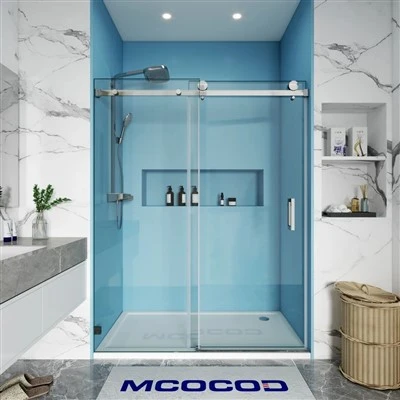
At the end of the day, the answer to “can a shower base be installed over linoleum” is yes, but it’s not the ideal scenario. It works when you have a solid, level linoleum surface, you prep it properly, use the right adhesive and sealing materials, and you’re willing to accept the small but real risk of long-term damage if something goes wrong. If you’re still unsure whether it’s right for your bathroom, we’re here to help. We work with homeowners and contractors every day to walk through your specific space, answer questions about materials, and make sure you choose the right shower base and installation method for your needs. Whether you need a quick quote, guidance on prep steps, or just someone to talk through the pros and cons, don’t hesitate to reach out to connect for purchasing and installation guidance.
Custom Shower Doors References:
- National Kitchen and Bath Association. (2021). Shower Installation Best Practices for Existing Floors.
- Tile Council of North America. (2020). Waterproofing Guidelines for Shower Fixtures.
- Linoleum Manufacturers Association. (2019). Surface Preparation Tips for Tile and Fixture Installation Over Linoleum.
- International Residential Code. (2022). Minimum Standards for Bathroom Subfloor and Shower Base Installation.
MCOCOD LLC
MCOCOD LLC is a USA-based shower base supplier, mainly engaged in providing high quality custom glass doors and frameless tempered glass. We warmly welcome you to buy durable shower base in stock here online! If you have any enquiry about installation and free shipping, please feel free to email us.
Address: 12781 Schabarum Ave Irwindale, CA 91706
E-mail: info@usamcocod.com
WebSite: https://www.mcocodplus.com/
