Hey everyone, it’s Jake from your go-to nylon yarn supplier, and today we’re talking about something that’s been popping up in a ton of our customer conversations lately: how to make nylon yarn less flammable. Look, I get it—nylon is such a workhorse for so many industries: apparel, home textiles, outdoor gear, even industrial parts. But its whole thing of melting instead of burning? Yeah, that’s a blessing for some uses, but a total headache when you’re dealing with high-risk environments like factory flooring, camp tent liners, kids’ sleepwear, or automotive interiors. I’ve seen way too many projects get delayed because customers don’t know the right moves here, and that’s why I wanted to break this down straight from the supplier’s side—no jargon, just the stuff that actually works, and the stuff that’s worth skipping. Nylon Yarn

First, let’s cut through the confusion about why nylon is even flammable in the first place (even if it’s “self-extinguishing” sometimes). Nylon’s a polyamide polymer, right? Its molecular structure has lots of hydrogen and carbon bonds, so when it gets heated to its melting point (around 220°C, for the record), those bonds break down and release flammable gases. Normally, nylon will melt and drip before it catches a big flame—those drips can actually put out small fires by carrying heat away, which is why it’s safer than something like polyester in a lot of cases. But if those drips are still burning, or if the fabric stays hot long enough to keep burning, that’s when you run into issues. So the goal here isn’t to make nylon never burn at all—it’s to slow it way down, stop it from spreading, and eliminate those burning drips that cause secondary fires.
Let’s start with the method most people come to us asking about first: adding flame retardants directly to the yarn. This is called “additive flame retardancy,” and it’s the most reliable way to do it, especially if you’re making yarn from scratch. Back in the day, a lot of flame retardants were full of chemicals people didn’t want—like the old brominated stuff that stuck around in the environment. But today? We’ve got way better options. There are halogen-free additives that work super well with nylon, especially for melt spinning (that’s the process where we turn nylon pellets into yarn). The key here is choosing the right additive for your end use. If you’re making kids’ clothing, you need something that’s OEKO-TEX certified, right? No bad stuff that could irritate skin or leach out over time. For industrial stuff, you might go for a more robust additive that can handle high-heat environments, like factory conveyor belts.
Wait, but how does this actually work? The best nylon flame retardants do two things, usually. One type works in the “condensed phase”—that means they react with the nylon when it heats up, creating a thick, crusty char layer on the surface of the yarn. That char acts like a barrier, keeping oxygen out and keeping the heat from getting to the rest of the polymer inside. No oxygen, no fire. The other type works in the “gas phase”—they release non-flammable gases when heated, which push away the flammable gases from the nylon itself, so the fire can’t feed on them. A lot of modern additives do both, so you get double the protection without the downsides of old formulas. I’ll be honest: we’ve tested a few of these, and the ones from reputable manufacturers (we work with a couple that specialize in textile-grade flame retardants) don’t mess with the yarn’s strength, stretch, or color fastness. That’s a big one—you don’t want to add a chemical and end up with yarn that snaps when you’re weaving it, or fades after one wash.
Next up: if you already have nylon yarn and you can’t re-spin it with additives, you can coat it with flame retardants post-production. This is super common for things like existing fabric rolls, finished products, or even custom orders where you need the flame resistance without changing the yarn’s base formula. Coating methods come in a few flavors. There’s padding, where you dip the yarn or fabric into a liquid flame retardant solution, squeeze out the excess with rollers, then dry and cure it. That’s budget-friendly for large runs, but you do have to make sure the coating is evenly applied—if it’s too thin, it won’t work; too thick, and it might make the yarn stiff or heavy, which is bad for apparel or lightweight gear. There’s also spraying, which is better for smaller batches or intricate shapes, like embroidery yarn, but it’s a bit messier and can waste product if you’re not precise.
Wait, but here’s a tip we’ve learned from customers who’ve tried coating: always test how the flame retardant interacts with your specific nylon. Nylon 6 and Nylon 6,6 are the two most common types, right? They react a little differently with coatings, so a product that works great on Nylon 6 might not stick as well to Nylon 6,6. Also, make sure you’re using a durable coating—some cheap coatings will wash off after a few cycles, which is useless for something like outdoor gear that gets rained on or camp blankets that get washed every week. Look for coatings labeled “launderable” or “dry-cleanable” if that’s a requirement for your product.
Then there’s the “design angle”—you don’t always have to add chemicals to make nylon less flammable. Sometimes how you use the yarn matters more than the yarn itself. For example, if you’re weaving a fabric, tighter weaves hold less oxygen between the threads, so it burns slower. Loose, open weaves have more air, which feeds fires. That’s why a tight nylon twill will self-extinguish faster than a loose nylon mesh, all else equal. Also, mixing nylon with other fibers that have inherent flame resistance? Like, blending a little bit of aramid fiber (that’s the stuff Kevlar is made of) into the nylon yarn. Aramid doesn’t melt or burn easily, so it acts like a fire stopper in the blend. We’ve done some test blends for a customer making firefighter gear liners, and the blend was way less flammable than pure nylon, and still kept the nylon’s softness and durability. The tradeoff? Aramid is more expensive, so it’s only worth it if you need that extra high-level protection.
Wait, let’s talk about what’s actually a myth, because we get asked about this all the time. A lot of people think “if I coat my nylon with wax or silicone, that will make it fireproof.” No, that’s a temporary fix. Wax melts at low temperatures, so if it gets near a flame, it just runs off, taking any protective layer with it. Silicone might help a little, but it’s not enough to meet any standard fire safety requirements, like NFPA 701 for textiles or the kids’ sleepwear standard in the US. Don’t waste your money on that—it’s a band-aid, not a solution. Another myth: “all flame retardants are toxic.” Again, not anymore. The old stuff was bad, but modern, textile-grade, halogen-free additives are regulated by organizations like OEKO-TEX, REACH (EU), and CPSC (US), so they’re safe for consumer use as long as you source them from reputable suppliers.
Now, let’s get into what actually works for different use cases, because one size doesn’t fit all. If you’re making kids’ pajamas: you need something that’s skin-safe, meets the 16 CFR 1610 standard (that’s the US federal standard for flammability of clothing textiles), and can handle regular washing. For that, additive flame retardants during melt spinning are ideal—they’re permanently mixed into the yarn, so they don’t wash out, and as long as you pick an OEKO-TEX certified additive, it’s totally safe. If you’re making outdoor camping gear, like tent liners or sleeping bags: you might want a launderable coating, because tents get dirty and need to be cleaned, so the coating can’t come off. We’ve had a couple camping brands order our pre-coated nylon yarn and then add a top-coat of their own, and they’ve told us it works way better than just one layer. For industrial uses, like conveyor belts or factory safety curtains: you need heavy-duty, high-temperature resistant additives, so that’s another case for pre-added flame retardants in the yarn. The char layer from those additives can handle being near high-heat machinery without breaking down.
Wait, and what about testing? No matter which method you pick, you have to test the final product to make sure it actually meets your required safety standards. We can help with that—we work with a local testing lab that specializes in textile flammability, so if you send us a sample of the yarn we provide, we can get it tested for the most common standards, which saves you the hassle of finding a lab yourself. A lot of our regular customers do this, because nothing kills a product launch faster than finding out your yarn doesn’t meet the fire code after you’ve already produced 10,000 units.
Now, let’s be real about the tradeoffs here. Adding flame retardants does cost a little more upfront—usually 10-20% more than standard nylon yarn, depending on the type of additive. But compare that to the cost of a product recall if your stuff isn’t flame-resistant, or the liability if something goes wrong in a high-risk environment. That extra cost is totally worth it. Also, some additives can affect the yarn’s melting point slightly, but we’re not talking a huge difference—your yarn will still melt and self-extinguish, which is the key safety feature of nylon. We make sure our modified yarn retains that self-extinguishing property, so you don’t end up with something that’s just a fire hazard.
I’ve seen too many customers cut corners here, and it always ends up backfiring. Last year, a small apparel brand came to us, they were using regular nylon yarn for kids’ sleepwear, and they tried to save money by coating it with a cheap silicone spray. Their first batch failed the CPSC flammability test, they had to scrap 5,000 units, and lost a bunch of money. They switched to our pre-flame-retardant nylon yarn after that, and their next batch passed on the first try. That’s the stuff we’re here for—helping you avoid those mistakes, not just selling you yarn.
If you’re reading this and you’re stuck on what method is right for your project, or you just want to test our flame-resistant nylon yarn for yourself, hit us up. We don’t do generic form links or fake corporate fluff—just send over your needs: what you’re making, what standards you need to meet, budget, and we’ll point you in the right direction. We can also send you free small samples of our modified yarn so you can test it on your own loom or in your factory before you place a big order.
Wait, a quick recap to make sure I didn’t miss anything: the best ways to make nylon less flammable are (1) add halogen-free, OEKO-TEX certified flame retardants during yarn production (permanent, safe, works for most use cases), (2) use durable, launderable flame retardant coatings if you can’t modify the base yarn, (3) tweak your fabric design (tighter weaves, blending with flame-resistant fibers) as a cheaper secondary step. Skip the wax and silicone hacks—they don’t hold up. Always test against your required safety standards, and don’t be afraid to ask your yarn supplier for help.
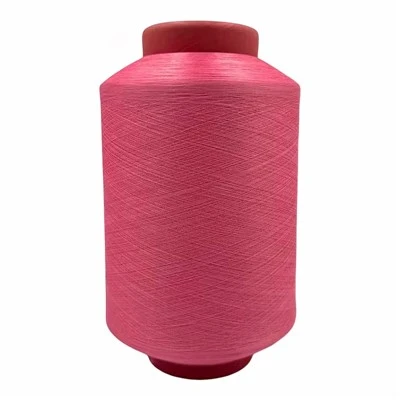
Let me wrap this up. Nylon doesn’t have to be a fire risk—you just need the right approach. As someone who’s been supplying nylon yarn for 8 years, I’ve worked through every mistake, every test, every customer’s specific request, so I know what works. If you’re gearing up for a project, or you just want to swap out your current yarn for something safer, reach out to us. We’re here to make sure your products are not only high-quality, but also safe for whoever uses them. Don’t wait until it’s too late—flame safety is non-negotiable, and we can help you get it right the first time.
Imitation Nylon Yarn References
- Horrocks, A. R. (2011). Flame retardant materials (2nd ed.). Woodhead Publishing.
- CPSC. (2023). Flammability Standards for Textile Clothing (16 CFR Part 1610). U.S. Consumer Product Safety Commission.
- OEKO-TEX®. (2024). Standard 100 for Textiles: General Requirements. OEKO-TEX Association.
- Kandola, B. K., & Horrocks, A. R. (2000). Flame retardant polyamide fibres. Journal of Industrial Textiles, 29(4), 279-304.
Zhuji Yuanhui Import & Export Co., Ltd.
Zhuji Yuanhui Import & Export Co., Ltd. is one of the most professional nylon yarn manufacturers and suppliers in China. With abundant experience, we warmly welcome you to buy high-end nylon yarn made in China here from our factory. If you have any enquiry about quotation and free sample, please feel free to email us.
Address: No.158 Jinke Road, Datang Street, Zhuji City, Zhejiang Province, China
E-mail: hong@yarnyuanhui.com
WebSite: https://www.yarnfty.com/
