When I first started as a hardware integration specialist for a small, niche other hardware supplier, I’ll admit I underestimated how much day-to-day work goes into connecting new hardware to existing systems. Early on, I spent three weeks trying to sync a line of industrial sensors with a manufacturing client’s outdated ERP system—only to realize their team had no clear documentation on their network architecture, and my supplier’s off-the-shelf setup didn’t account for legacy communication protocols. That misstep taught me a critical lesson: hardware integration isn’t just about plugging in a new device—it’s about understanding the existing system’s bones, tailoring the new hardware to fit, and building in flexibility that lets both sides grow. For suppliers like us, the goal isn’t to sell a one-size-fits-all product; it’s to make integration seamless, reliable, and low-stress for the client. Other Hardware

Let’s break down the process step by step, from pre-integration assessment to post-launch support, and what other hardware suppliers can do to partner effectively with clients on this work.
Start with a Deep Dive into the Client’s Existing System (No Assumptions Allowed)
The biggest mistake I see both clients and suppliers make is jumping to hardware specs before mapping out what’s already in place. A few months back, a client came to us asking to add temperature monitors to their cold storage units—they said they needed a device that connected to their building management system (BMS). Instead of pulling a model off our shelf, our team scheduled a two-day on-site audit. We spent time with their facilities manager, pulling old BMS schematics, checking their network’s available ports, and even testing how their current devices (like HVAC controls and fire alarms) communicated with each other. What we found surprised them: their BMS ran on a 10-year-old Modbus protocol, not the newer BacNet they’d mistakenly referenced in their initial request. Their network also had a strict firewall rule that blocked unapproved external devices, meaning a standard Wi-Fi-connected monitor wouldn’t work.
That audit became the foundation of our integration plan. We adjusted our sensor model to support Modbus RTU, added a small, pre-configured gateway that worked with their firewall, and even included a test run that mirrored their exact setup before shipment. That work cut their integration time by 60% and eliminated a potential post-launch headache. For suppliers, this pre-integration step isn’t an extra cost—it’s a value add. Clients don’t want to waste resources troubleshooting mismatched protocols or port conflicts, so taking the time to understand their environment first builds trust and sets the project up for success.
Key things to map during this audit:
- Communication Protocols: Legacy systems often use Modbus, Profibus, or RS-485, while newer ones might run on MQTT, HTTP, or WebSocket. Misaligning these is the top cause of failed integrations, so confirm exactly what the existing system uses before selecting hardware.
- Network Constraints: Many industrial, healthcare, and retail systems have firewalls, VPNs, or limited bandwidth that rule out certain connection types. We once had a retail client whose point-of-sale (POS) system only allowed devices on a dedicated local network—so we had to skip our cloud-connected inventory scanners and instead use a Bluetooth-enabled model that synced via a local server.
- System Compatibility: Check if the existing software (like ERP, CRM, or BMS) supports third-party hardware. Some systems have open APIs, while others require custom middleware, so noting this early avoids last-minute rewrites.
Design for Flexibility, Not Just the Current Job
As a hardware supplier, our products are built to solve specific problems, but integration works best when we design with scalability in mind. A common pain point for clients is when a new device only works with their exact current setup—if they expand, upgrade their system, or add another hardware line, they have to replace everything. For example, a manufacturing client we worked with wanted to add vibration sensors to their assembly line machines. Initially, we planned a sensor that only connected to their current PLC (programmable logic controller) model. But during our audit, we learned they planned to upgrade their entire PLC system in 18 months. Instead, we adjusted the sensor to support both their existing PLC and the upcoming new model, with a simple firmware update that would switch the protocol when the time came. That small adjustment meant they didn’t have to rip and replace sensors later—saving them thousands in downtime and hardware costs.
Flexibility also means catering to different integration skill levels. Some clients have in-house IT teams that want full control, while others (like small retail shops) need a turnkey solution. We now offer two integration options for most of our products: a basic setup that’s pre-configured to work with common systems (like QuickBooks for inventory scanners) and a custom option for clients with unique needs. We also include step-by-step guides, video tutorials, and a dedicated support line for clients who don’t have IT staff. This approach meets clients where they are, instead of forcing them to adapt to our hardware.
Another part of this is modular hardware design. For example, our other hardware line includes interchangeable communication modules—so a device that starts with a Bluetooth module can easily be updated to Wi-Fi or cellular without replacing the entire device. This doesn’t just help clients; it reduces our own warranty costs, since firmware updates are simpler than hardware swaps.
Test Rigorously Before Shipment to Avoid On-Site Surprises
Nothing derails a project faster than a device that works in a lab but fails on the client’s floor. Early in my career, we shipped a set of barcode scanners to a warehouse client, assuming they’d work with their existing POS system. They arrived, and on test day, the scanners would only read barcodes printed on glossy paper—not the matte labels the warehouse used. We had to send a technician out, redo the scanners’ optics, and delay their launch by three days, costing them revenue and damaging our reputation. Since then, we’ve built a pre-shipment test lab that mimics the client’s environment as closely as possible. For the warehouse client, we asked for samples of their labels, their lighting conditions, and their POS system’s test data. We ran the scanners through 1,000 test scans under those exact conditions before shipment, and that particular error never happened again.
Testing should cover three key areas:
- Functional Testing: Does the hardware perform its core task (e.g., reading barcodes, monitoring temperature) in the client’s environment?
- Compatibility Testing: Does it connect to all existing systems without conflicts? We use emulators for common software and protocol tests, so we can spot issues before shipping.
- Stress Testing: Will the hardware hold up to the client’s daily use? For industrial clients, we test our sensors in high temperatures, dusty conditions, and constant vibration—something a lab test often misses.
This pre-shipment testing adds a little time to our production schedule, but it eliminates on-site delays and reduces support calls post-launch. For clients, that means less downtime and a smoother integration process.
Provide Ongoing Support Long After Launch
Integration doesn’t end when the device is installed. Clients will run into issues—firmware updates, network changes, system upgrades—and having a supplier that stands by their hardware makes all the difference. A few months back, a healthcare client reached out to us saying their patient monitoring sensors suddenly stopped synching with their EHR system. We hopped on a call with their IT team, walked them through checking a recent network update that had blocked the sensor’s IP address, and had the issue fixed in 20 minutes. It turned out the client’s IT team had rolled out a new security patch that didn’t account for our device—but because our sensors were designed with a simple, configurable IP setting, we didn’t have to send a technician on-site.
For our team, we’ve built a post-launch support package that includes:
- 24/7 access to a dedicated integration specialist for clients with critical systems (like healthcare or manufacturing)
- Quarterly firmware updates to ensure compatibility with new system versions
- A library of troubleshooting guides and video tutorials for common issues
- A 12-month warranty that covers integration-related problems, not just hardware defects
This support isn’t just good customer service—it’s a way to build long-term partnerships. Many of our clients come back to us for additional hardware because they know we’ll support them through integration, not just sell a product and disappear.
Common Pitfalls to Avoid
After working on dozens of integration projects, I’ve seen a few mistakes that consistently cause problems. Here’s what other hardware suppliers should watch for:
- Overpromising Compatibility: It’s tempting to say a device works with every system, but that’s rarely true. Be transparent about what our hardware can and can’t do, and offer workarounds (like gateways or middleware) when there’s a gap.
- Ignoring Downtime Costs: For clients, integrating new hardware often means taking a system offline, which costs money. We now build downtime estimates into our project plans, and design hardware that can be installed during off-hours or with minimal disruption.
- Neglecting Training: Small business owners or frontline staff might not know how to use new hardware, even if it’s easy to install. We now include a 30-minute on-site training session for every client, teaching their team basic setup, troubleshooting, and how the hardware integrates with their daily workflow.
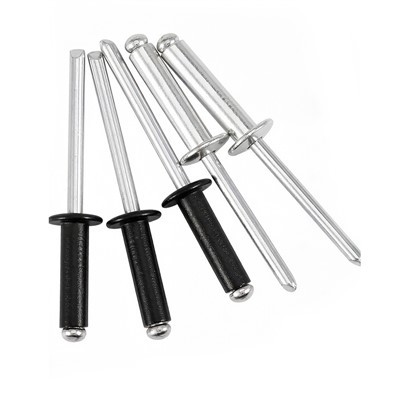
At the end of the day, integrating other hardware with existing systems is a partnership. As a supplier, our job isn’t just to provide a device—it’s to understand the client’s goals, adapt our products to fit their needs, and support them every step of the way. The best integrations are the ones where the client barely notices the new hardware—it just works, seamlessly, as part of their existing system.
Washers If you’re a business owner or IT manager looking to integrate other hardware with your current systems, we’re here to help. Our team has experience working with industrial, healthcare, retail, and manufacturing clients, and we’ll walk you through every step from audit to post-launch support.
References
- International Society of Automation. (2022). Guide to Industrial Hardware Integration and Compatibility. ISA Press.
- Gartner. (2023). Best Practices for Third-Party Hardware Integration in Enterprise Systems. Gartner Inc.
- Network Computing. (2021). Common Protocol Mismatches in Legacy and Modern System Integrations. TechTarget Media.
- Industrial IoT Consortium. (2022). Modular Hardware Design for Scalable Integration. IIoT Consortium Publications.
- Customer Support in Industrial Settings. (2023). Post-Integration Support as a Competitive Differentiator. Journal of Industrial Technology.
Shanghai Megood Metal Products Co., Ltd.
As one of the most experienced fasteners manufacturers and suppliers in China, we have world-leading production equipment and strong manufacturing capabilities. Please rest assured to wholesale bulk fasteners made in China here and get quotation from our factory. Customized orders are welcome.
Address: Building 8, No. 1500 Huiren Road, Waigang Town, Jiading District, Shanghai
E-mail: liujingshco@163.com
WebSite: https://www.mgx-hardware.com/
