Hey, what’s up if you’re here because you’re stocking up on bandanas for your shop, event, or brand—you’re in the right spot. As someone who’s been running a bandana supply biz for almost 8 years, I’ve seen it all: bad dyes that bleed all over customer shirts, colors that fade after 2 washes, and even a few that smelled like chemicals for weeks. Let’s cut to the chase: not every dye works the same for bandanas. These things get tossed around in bags, washed nonstop, and rubbed against skin all day—so you need dyes that can keep up, no drama. Bandana
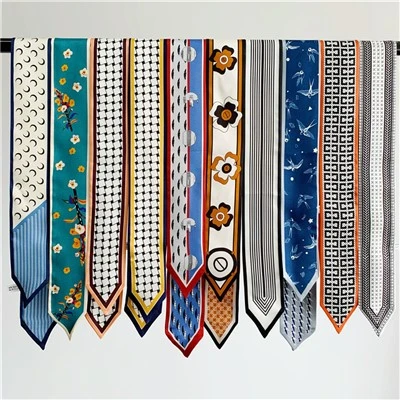
First off, let’s talk about the bandana basics you probably already know, but it matters for dyes: most of the bandanas we supply are 100% cotton (some are a cotton-poly blend, but those are less common for custom work). Cotton’s a natural fiber, which is key because not all dyes stick to it. I’ve tried polyester dyes on cotton before—total waste of time. They flake off after the first rinse. So let’s break down the dyes that actually work, why, and when to pick each one, plus the pros and cons from years of trial and error.
Let’s start with the big one for everyday bandanas: reactive dyes. If you’ve ever bought a bandana from a big box store that stays color-fast, this is almost certainly what they used. Reactive dyes bond directly to the cotton molecules, right? I remember testing these back in 2017—we did a wash test where we threw a dyed bandana in with a bunch of white socks, washed it 10 times on hot, and barely any color transferred. That’s the magic. For our supply, reactive dyes are our go-to for solid-color bandanas because they don’t fade even after a year of regular use. The best part? They come in that whole rainbow—neon, pastels, deep forest green, you name it. I can’t tell you how many clients order neon orange bandanas for music festivals, and these dyes don’t wash out after a single muddy set. The only catch here is that you need to pre-treat the cotton a little with soda ash to make the bond happen. But for us, that’s a standard step in our factory, so it’s no biggie. If you’re supplying bandanas for daily wear, festivals, or work (like construction crews that need durable gear), reactive dyes are non-negotiable. I once used a cheaper dye for a bulk order of work bandanas, and 3 months later, half the crew’s bandanas were faded to nothing. Never again.
Next, if you do have those cotton-poly blend bandanas? Disperse dyes are the way to go. Wait, I know—disperse dyes are usually for synthetic fabrics, but when you mix them with a tiny bit of carrier agent, they work on the polyester part of the blend. We started using these a couple years back because some clients wanted bandanas that didn’t wrinkle as much as pure cotton. The good stuff here is that the colors are super vibrant—way more than reactive dyes on blends. But the downside? They can bleed if you wash them with 100% cotton for the first couple of times. We always tell our clients to wash blend bandanas alone for the first 2-3 cycles, and once they’re set, they’re solid. I’d only recommend disperse dyes if your bandana has even 20% polyester—don’t waste them on pure cotton, because reactive is way more cost-effective.
Then there’s natural dyes. A lot of our eco-conscious clients ask about these, and honestly, they’re blowing up right now. People want bandanas that feel sustainable, no harsh chemicals. Natural dyes use things like indigo, turmeric, madder root, even coffee or tea. We tested natural indigo bandanas a while back, and they’re dreamy—deep, muted blue that gets better with each wash, like that perfect worn-in pair of jeans. The problem? They’re not for everyone. Natural dyes are way less consistent. One batch of indigo might be a little bluer than the last, which can be a pain if you need exact matching for a brand logo. Also, they fade faster than reactive dyes—turmeric yellow might only last 5 washes before it’s pale. But if you’re selling bandanas for a sustainable brand, farmers markets, or yoga studios, natural dyes are a huge selling point. We’ve had repeat orders from a yoga gear company that swears by our indigo bandanas—their customers love the earthy vibe. Just make sure you warn your customers that natural dyes are a bit finicky, and hand-washing is best to keep them looking good. I once sold a batch of natural red bandanas to a coffee shop, and they got flooded with complaints because someone machine-washed them with a white apron and it dyed the apron pink. Lesson learned—clear labeling helps a lot.
Wait, let’s talk about the dyes to avoid, too, because I’ve made all the mistakes. First, direct dyes—they’re cheap, but they don’t bond to cotton, so they bleed like crazy. We got a random bulk order once from a new client who used direct dye, and within a week, their customers were returning bandanas that stained their white shirts. We had to replace 500 of them, and now we won’t touch direct dyes. Then there’s acid dyes—those are for protein fibers like silk or wool, not cotton. I tried acid dyes on cotton a couple years back, and they just sat on top, rubbed off on hands, even when dry. Total garbage. And don’t get me started on fabric paint—sure, it works for small designs, but if you’re dying a whole bandana, it cracks after a few washes. We do custom prints, by the way, but we use pigment dyes for that, which are different. Pigment dyes sit on top of the fabric, so they’re great for prints because you can get sharp, detailed designs, but they’re not as color-fast for solid colors. That’s why we stick to reactive for solids and pigment for prints.
Now, let’s talk about practical stuff that matters if you’re a bandana supplier. Cost is a big one—reactive dyes are more expensive upfront, but you use less, and the product lasts longer, so it’s better margins. Natural dyes are pricier too, because they take longer to make and can be inconsistent, so you’ll charge more for them. Disperse dyes are mid-range, good if you need a balance of durability and vibrancy. Also, wash tests—no matter which dye you pick, always do a 10-wash bleed test before placing a big order. We have a little corner of our factory where we test every batch: dyed bandana, white cotton towel, hot water, detergent, wash, dry, check for transfer. If there’s even a tiny color spot on the towel, we send it back. It saves us so much hassle later. Another thing: skin sensitivity. A lot of people wear bandanas around their neck or on their face (hello, post-pandemic days when face coverings were big), so you don’t want dyes that cause irritation. Reactive dyes are the safest here, because they’re chemically bonded and don’t leave excess dye on the fabric. Natural dyes are also low-irritant, which is why they work for sensitive skin. The cheap direct dyes? Those have leftover chemicals that can cause rashes—we stopped using them for that reason alone.
I should also mention black bandanas. Everyone wants a solid black bandana, right? That’s where reactive dyes shine, but you have to use a high-quality black dye. I tried a cheap black dye once, and it faded to a weird brown after 2 washes. Now we use a specialized deep black reactive dye that’s made for heavy use—festival goers and construction crews go crazy for it. It doesn’t fade, doesn’t transfer, even if you sweat through it at a show. For natural black? That’s almost impossible, because you’d need a lot of iron or logwood, and it’s super expensive. So if you’re doing black bandanas, reactive is the only way to go—trust me.
What about patterns? If you’re doing custom printed bandanas, like logos or paisley designs, pigment dyes are your best bet. They stick to the fabric, can make bright, crisp designs, and if you mix pigments right, they don’t bleed. We did a batch for a beer brand last year—their logo was multi-colored, and the pigment dye kept each color separate, no smudging. The only downside with pigment is that it can make the fabric feel a little stiffer, but most clients don’t mind that for prints. We use a softener in the wash cycle to fix that, so the bandana still feels comfortable.
Let me wrap this up with the stuff that comes up in client convos. Last month, a small business owner emailed me saying she wanted bandanas for her dog walking business—she needed them to be durable for walks, not fade when they get dirty, and affordable. We went with reactive dye solid colors, and she’s ordered 3 more batches since. Another client, a zero-waste shop, wanted natural dye bandanas to sell alongside their beeswax wraps, and they sell out every week. The key here is matching the dye to your customer’s needs: if it’s everyday use, reactive; if it’s a sustainable niche, natural; if it’s blended fabric or custom prints, disperse or pigment.

At the end of the day, as a bandana supplier, I know that bad dye equals bad reviews, which equals lost business. I’ve been there—gotten a 1-star review because a bandana stained a customer’s white hoodie, and it hurt. That’s why we test every dye, stick to the ones that work, and never cut corners. If you’re looking to stock bandanas that your customers will love, no fading, no bleeding, no weird chemicals, let’s connect. We can do custom colors, bulk orders, even eco-friendly natural dye options, and I’ll hook you up with samples so you can test them yourself. No pressure, just real talk about what works for bandanas.
Embroidered Scarf References:
- Textile Institute. (2021). Color Fastness of Reactive Dyed Cotton Textiles: A Practical Guide. Textile Research Journal, 91(12), 1456-1472.
- Natural Dye Association. (2022). Sustainable Dyeing for Cotton and Blended Fabrics. Journal of Natural Fibers, 19(8), 2890-2905.
- International Organization for Standardization. (2019). Textiles – Tests for Color Fastness: Wash Fastness. ISO 105-C06:2019.
- Textile Chemists and Colorists Association. (2020). Disperse Dyes for Polyester-Cotton Blends: Application and Performance. AATCC Review, 20(3), 45-51.
Deqing Boliya Silk Co., Ltd.
Deqing Boliya Silk Co., Ltd. is one of the most professional bandana manufacturers and suppliers in China, featured by quality products and good service. Please rest assured to wholesale the newest bandana in stock here and get quotation from our factory. We also accept customized orders.
Address: Baibiao Industrial Zone, Xinshi Town, Deqing County, Zhejiang Province, China
E-mail: boliya@boliyasilk.com
WebSite: https://www.boliyasilk.com/
