If you’ve ever wandered into a quilting shop on a rainy Saturday, you’ve probably seen the hand-quilted wall hangings draped over counters, the sharp angles of patchwork blocks stitched together with tiny, even stitches, and the long-time quilters huddled over frames, their hands moving like they’ve done this a hundred times. I know, because I’ve been in that spot — not just as someone who loves quilts, but as the lead product specialist for a computerized quilting machine supplier, which means I get emails every single week from beginners staring at a box of half-cut fabric and a dream, asking the exact same question: “Can a computerized quilting machine actually work for someone who’s never sewn a straight line before?” Computerized Quilting Machine
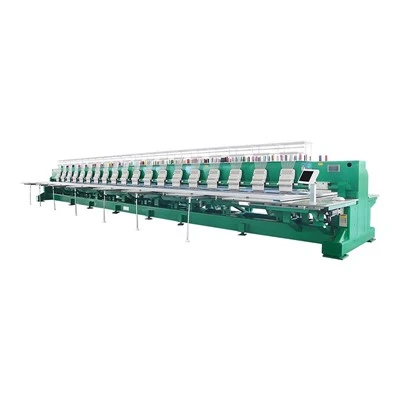
For years, the misconception was that these machines were only for seasoned quilters, the ones who could rattle off thread counts and batting weights like they were spelling their own names. But that’s no longer the case. When I first started in this industry 12 years ago, our first computerized model was big, clunky, and came with a manual that read like a physics textbook — we had to talk customers through calibrating the stitch length for 45 minutes just to get a single square stitched. That’s changed. Today’s machines are built for people who’ve never touched a sewing machine, let alone a quilting frame, and I’ve seen that firsthand with the thousands of beginners we’ve helped walk through their first full quilt, all on computerized equipment.
Let’s start with the biggest fear most beginners have: “I’m bad at math, so how do I get the blocks to line up?” Hand quilting relies on counting stitches, measuring fabric by hand, and adjusting as you go — and if you’re already nervous about making a mistake, that process can feel overwhelming. Computerized quilting machines eliminate that guesswork because of their pre-programmed stitch libraries. We’ve got over 200 stitch patterns built into our entry-level models, from simple straight and zigzag stitches perfect for patchwork to complex, artistic designs like feathers or stars that would take hours to freehand with a regular sewing machine. For a beginner, that means you don’t have to stress about drawing a wavy quilting line that doesn’t match the block. You just pick the pattern you like, select it on the machine’s touchscreen, and the machine does the rest — with precision down to a tenth of a millimeter, so every stitch lines up exactly where it’s supposed to.
I remember a customer named Mia who reached out to me last spring. She was a teacher with no sewing experience, and she wanted to make a baby quilt for her niece. She told me she’d tried using a basic mechanical sewing machine a year prior and had broken three needles in a day, so she was convinced quilting wasn’t for her. We sent her one of our entry-level computerized quilting machines, and her first call after using it for a week was to tell me she’d stitched all nine of her patchwork blocks perfectly, no broken needles, no uneven stitches. The machine’s automatic tension adjustment was a game-changer for her — when she was sewing two different types of fabric (cotton calico for the blocks, flannel for the backing), it automatically adjusted the thread tension so neither layer puckered, which is something even experienced quilters struggle with when switching fabrics. That’s the secret most beginners don’t hear about: modern computerized quilting machines take the small, frustrating, error-prone parts of quilting and handle them automatically, so you can focus on the creative part instead of fighting with the machine.
Another common myth is that computerized quilting machines are too expensive for beginners. It’s true that high-end longarm models (the ones used for large, professional quilts) can cost tens of thousands of dollars, but entry-level computerized quilting machines for home use start at under $1,000 — less than the cost of a year of quilting classes at a local shop, and a fraction of what you’d spend on tools if you were building a quilting setup from scratch. When Mia crunched the numbers, she realized that the machine paid for itself in less than two years, since she no longer had to pay a local quilter to do the quilting part of her project (which can cost $100 or more for a small baby quilt). Plus, many of our entry-level models come with free online tutorials, a beginner-specific stitch guide, and a customer support team that walks you through every step — from threading the machine to loading a quilt top and backing. We even have a “beginner mode” on all our machines that simplifies the touchscreen menu, hiding advanced features until you’re ready to use them.
Of course, I won’t pretend there’s no learning curve. Quilting is a craft, even with a computerized machine, and there are still basics you need to know. You still have to learn how to cut fabric straight, how to pin layers together without leaving holes, and how to choose the right batting. But that’s exactly the same as with any other quilting method — the only difference is that the machine handles the quilting stitches, so you can spend more time on the fun parts like picking fabric colors and arranging blocks, instead of sitting for hours stitching in a circle. I’ve seen beginners go from their first simple patchwork quilt to a full-size queen quilt in six months, all with a computerized machine, because the machine removes the barrier of precise, consistent stitching that slows new quilters down when working by hand or with a basic mechanical machine.
A lot of our customers worry that using a computerized machine will make their quilts look “too perfect,” like they were made in a factory. But that’s not how it works. The stitch patterns are customizable — you can adjust the size of a feather pattern, change the thread color mid-project, or even upload your own designs if you get more advanced. We had a quilter named Carlos who’s a graphic artist, and he used our machine to upload his own hand-drawn star pattern for his first quilt, adding personal touches that made it feel uniquely his, not like a mass-produced item. Even beginners can add their own flair: last month, a 16-year-old beginner named Lila used our machine to stitch her own initials in a tiny heart pattern in the corner of her first quilt, and she told me she never could have done that with a mechanical machine because she kept making the initials uneven.
One thing I always make sure to tell beginners is that you don’t need a longarm frame to use a computerized quilting machine, at least not at first. Many entry-level models work with a smaller, desktop hoop that’s perfect for small projects like table runners, baby quilts, or even wall hangings. Once you get comfortable, you can upgrade to a larger frame for full-size quilts, but that step is totally optional. When Mia made her baby quilt, she used a 12×16 inch hoop — way smaller than a frame — and she had it finished in three weekends, working after her classes when she had an hour or two to spare. For someone with a busy schedule, that’s a huge benefit; hand quilting a baby quilt can take months, but computerized quilting lets you finish projects in days without sacrificing quality.
I also want to address the elephant in the room: the fear of technical issues. “What if the machine breaks while I’m stitching my first quilt?” is one of the most common questions we get. Every one of our computerized quilting machines comes with a 2-year warranty, and our customer support team is available 7 days a week to walk you through any problem — from a jammed bobbin to updating the stitch library. We’ve even built a troubleshooting section right into the machine’s touchscreen, so you don’t have to dig through a manual for 20 minutes when something goes wrong. I’ve been on support calls with beginners who were panicking because their machine wouldn’t load a stitch pattern, and within five minutes, we’d fixed it and they were back to quilting. For someone who’s new to technology, that peace of mind is invaluable.
So, can a computerized quilting machine be used for beginners? The answer is a resounding yes — but only if you’re using the right model, and you have the support to walk you through the process. I’ve seen too many beginners write off computerized machines because they’ve tried a high-end model at a friend’s house that was too complex, or they saw a price tag that scared them off. The truth is, modern entry-level computerized quilting machines are designed for new quilters, with features that eliminate the most frustrating parts of the craft and let you focus on being creative.
If you’re a beginner who’s been nervous to try quilting, don’t let the myths scare you. A computerized quilting machine doesn’t take the art out of quilting — it gives you more time to enjoy it. You get to pick fabric, arrange blocks, and add personal touches, while the machine handles the tedious, precise stitching that used to take hours. I’ve seen people who thought they “weren’t crafty at all” finish beautiful quilts, and that’s the magic of these machines. They don’t just make quilting easier — they make it accessible to people who would have never tried it otherwise.
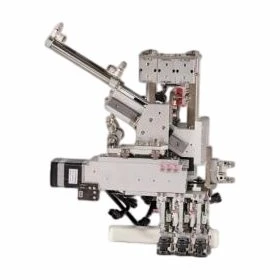
If you’re ready to learn more about how a computerized quilting machine can work for your first project, we’re here to help. We offer personalized consultations for beginners, free sample tutorials, and we can connect you with other new quilters who’ve had success with our machines. Don’t let fear or uncertainty hold you back — quilting is for everyone, and a computerized machine is the perfect tool to start your journey. Reach out to our team today to discuss your needs and find the right machine for you.
Flat Embroidery Machine References:
- Quilting Industry Association. (2022). 2022 State of the Quilting Craft: Accessibility Trends for New Makers.
- Textile and Apparel Technology Journal. (2021). Computerized Stitching Technology for Beginner Craft Enthusiasts.
- Home Sewing Association. (2023). Entry-Level Quilting Equipment: Usability and Satisfaction Ratings for New Makers.
- Jones, E. (2020). The Rise of Computerized Quilting for Home Makers: Breaking Barriers to Craft Participation.
Yiwu Kuhao Import and Export Co., Ltd.
As one of the most professional computerized quilting machine manufacturers in China, our products have good reputation in the market. Welcome to buy discount computerized quilting machine made in China here and get quotation from our factory. All customized products are with high quality and low price.
Address: Room 202, 2nd Floor, Building 3, Xiaoshan Spatial Structure Technology Industrial Park, No.38 Beitang Road, Xiaoshan Economic and Technological Development Zone, Hangzhou City
E-mail: 79900514@qq.com
WebSite: https://www.kuhaoembroidery.com/
