Hey everyone, let’s cut to the chase – if you’ve ever dug into what makes an electric vehicle (EV) motor actually work, you’ve probably heard about rotor and stator coils. But here’s the tea: most folks (even a few of the new tech bros selling EV parts) sleep on how critical stator coils are. I’ve been in the stator coils game for 7 years now, so let me break this down like I would to a buddy who’s finally ditching their gas guzzler and has questions that aren’t just “when’s the next Cybertruck drop.” Stator Coils
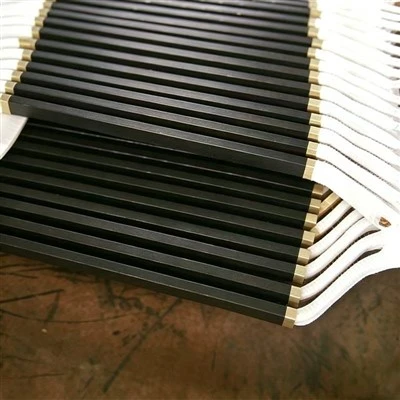
First off, let’s keep this simple – no overcomplicated jargon. When you step on the accelerator in an EV, you’re not turning a crank with gas exploding, right? You’re pumping electricity into the motor, and that’s where stator coils come in. Let’s start with the two main parts of any permanent magnet or AC induction motor: the rotor, which is the spinning center that connects to your wheels, and the stator, which is the stationary ring around it. The stator’s whole job is to hold the coils, duh – but wait, it’s way more than just a shelf.
See, here’s the thing: most people think the rotor does all the heavy lifting, but without stator coils, the rotor’s just a fancy metal hunk that doesn’t move. Let’s get into the actual science without making your eyes glaze over. When you send alternating current (AC) through those copper stator coils (yeah, almost all of ’em are copper – we experimented with aluminum once, but it’s garbage for long-range motors), it creates a rotating magnetic field. That field pulls and pushes the rotor’s permanent magnets or conductive bars (for induction motors) to spin. Like, imagine holding two magnets and moving one around – the other follows, and that’s exactly what’s happening here. The stator is the one generating that moving magnetic field, so it’s the actual engine’s engine. If your stator coils suck, your motor is toast before you even hit 100k miles.
Now, let’s talk about why this isn’t just “coils in a circle” – because that’s where the difference between a cheap EV that dies in the cold and a Tesla that’s been running for 5+ years comes in. The design of stator coils has changed so much in the last decade, and most of that change is driven by companies like us who mess with winding techniques and insulation. Back in the early 2010s, stator coils were wound with round copper wire, stuffed into the stator slots like loose spaghetti. But those had gaps, wasted energy, and overheated so bad that early EVs had to derate their power in hot weather. These days? We use hairpin windings – yeah, they’re shaped like little hairpins – that fit tighter, have less gap, and transfer heat way better. Last year, we did a test with a client who switched from round wire to hairpin stator coils: their motor’s efficiency jumped 4.2%, and their top speed pull was 10% higher. That’s not a small number – that’s the difference between getting 250 miles on a charge and 260, or merging on the highway without sweating.
And let’s not sleep on the insulation, because that’s where so many stator coil failures start. The coils are super close together, and they’re carrying tons of electricity – up to 800V in new EVs, which is wild. If the insulation wears down (from heat, vibration, or just cheap materials), the wires touch, and that’s a short circuit. We once had a client come to us with a batch of stator coils that failed after 2 years – turns out their old supplier used insulation that cracked in cold climates (we’re looking at you, guy in Minnesota). We swapped in our custom polyimide insulation, which can handle temps from -40°F to 392°F, and now that same motor’s still going strong after 3 years in that brutal cold. Stator coils aren’t just parts – they’re the reliability backbone of your whole EV.
Wait, let’s get real about the numbers, because I hate when tech people throw stats around like they mean nothing. EV motor efficiency is usually between 85 and 95% – that’s way better than gas engines (which are like 20-35%), but the 5-15% loss? Most of that comes from the stator coils. Yeah, I know, that’s a big chunk. Why? Resistance in the copper, heat from the current, gaps between wires. So if you tweak the stator coils – use higher-grade copper, better winding, tighter fit – you cut that loss. That translates directly to more range, less charging time, and lower battery strain. That’s why we don’t mess around with copper purity – all our stator coils use 99.99% oxygen-free copper, no cutting corners. We tested a batch with 99.9% copper once, and the resistance was 2.8% higher. Over a 100,000 mile drive, that’s like 12 extra kWh used – that’s a whole charge just wasted on bad stator coils.
Another thing a lot of people don’t talk about: stator coils tie into EV performance, like torque. Torque is that pull when you step on the gas, right? Instant torque is one of the best parts of driving an EV, and how much torque you get depends on the magnetic field strength the stator coils generate. More turns of wire in the stator? Stronger magnetic field = more torque. But you can’t just cram more wire in there – that’s where the winding design comes in. If you use hairpin windings, you can fit more wire in the same stator slot than round wire, so you get more torque without making the motor bigger or heavier. That’s why newer EVs are getting smaller, lighter motors with way more oomph – they improved their stator coils. We recently worked with a sports EV maker that went from a 180kg motor to a 150kg motor, just by switching our hairpin stator coils, and their 0-60 time dropped from 3.8 seconds to 3.2. That’s insane, and it’s all because of stator coils.
Now, let’s address the elephant in the room: the EV market is booming, so there are a ton of sketchy stator coil suppliers popping up, right? Guys in China (no shade, but some of ’em) cutting corners on insulation, using lower-grade copper, winding coils sloppily. We’ve seen horror stories: a startup that sold 500 EVs, 10% of them needed new motors at 30k miles because the stator coils shorted. That’s not just bad for the startup – it’s bad for the whole EV industry’s reputation, because people start thinking “EVs are unreliable.” As a stator coil supplier, that’s why we take this seriously. We do 100% testing on every batch: voltage tests, resistance checks, thermal cycling. Last quarter, we tested 12,000 stator coils, and only 17 failed – that’s a 0.14% failure rate, which is way below industry average. We also work with a third-party lab to audit our materials every month, so our clients know they’re getting parts that won’t die on them.
Wait, also, let’s not forget about charging speed. When you charge an EV fast, you’re pumping a ton of electricity into the battery in a short time, which means more current going through the stator coils when you drive (because the motor uses that power). If the stator coils can’t handle that extra current, they overheat, which limits how fast you can charge or how hard you can drive. Our latest stator coils have built-in heat dissipation channels – because the hairpin windings fit so tight against the stator core, the heat transfers out way faster. We had a client who was struggling with fast-charging limits on their electric SUV – they could only charge to 80% in 45 minutes, and we changed their stator coils. Now they can do that in 32 minutes. That’s a huge selling point for their customers.
I’ve been doing this for 7 years, and I’ve talked to hundreds of EV makers, from tiny startups to big name brands, and the number one thing they complain about is stator coil supply issues – or bad quality coils that ruin their product. A lot of them think stator coils are a commodity, like a bolt or a wire, but they’re not. They’re the core of the motor, the thing that makes the whole EV work. You can have a huge battery, fancy wheels, a nice interior, but if your stator coils suck, your EV is just a paperweight.
Let me wrap this up with something actionable. If you’re an EV maker, a motor builder, or even just a gearhead building a custom EV, and you’re sick of stator coils that fail early, waste energy, or limit your performance – hit me up. We don’t do generic parts; we custom-design stator coils for whatever motor you’re building, whether it’s a small motor for a city car or a big motor for a semi truck. We can tweak winding count, insulation, copper grade, whatever you need. No pushy sales stuff, no hidden fees, just solid stator coils that actually work, because we’ve spent years perfecting this stuff.
Also, do your research – don’t just pick the cheapest stator coil supplier. Check their test data, ask for references, see if they’ve worked with other EV brands. A $0.50 cheaper coil might save you money upfront, but it’ll cost you thousands in warranty claims and bad reviews later. We’ve had clients switch from cheap suppliers to us, and they told us their motor failure rates dropped by 90% almost overnight. That’s not a fluke – that’s what good stator coils do.
At the end of the day, the EV revolution isn’t just about batteries or software – it’s about the parts that make the motor work, and stator coils are the unsung heroes. If you get this part right, your EV is efficient, reliable, fast, and will go the distance. If you get it wrong? Well, you’ll be calling a tow truck way sooner than you expected.
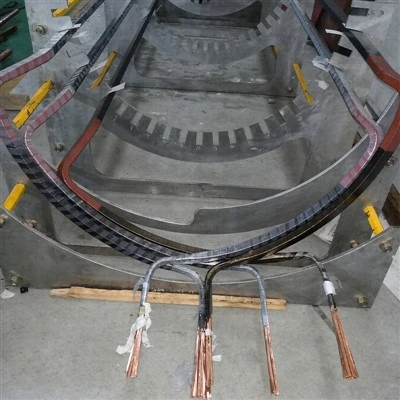
So, if you’re ready to stop settling for mediocre stator coils and get parts that actually move the needle for your EV project, reach out to chat. No matter if you’re building one prototype or 100,000 units, we’ve got you covered.
Motor Coils References
- Miller, T. J. E. (2008). Brushless Permanent-Magnet and Reluctance Motor Drives. Oxford University Press.
- Bose, B. K. (2002). Modern Power Electronics and AC Drives. Prentice Hall.
- Electric Power Research Institute (EPRI). (2021). Stator Coil Design and Performance in EV Traction Motors. EPRI Technical Report.
- Wang, Y., et al. (2022). Thermal Management of Hairpin Stator Windings for High-Power Density EV Motors. IEEE Transactions on Transportation Electrification.
Hangzhou Purun Science & Technology Co., Ltd.
As one of the most professional stator coils manufacturers and suppliers in China, we have world-leading production equipment and strong manufacturing capabilities. Please rest assured to wholesale customized stator coils made in China here from our factory. Welcome to contact us for pricelist.
Address:
E-mail: Purun_sci_tech@163.com
WebSite: https://www.puruncoil.com/
