Hey there, let’s cut to the chase—when I’m out talking to grain growers, truck drivers, and even my own team at the grain processing supplier I run, the one thing that always comes up (way more than grain moisture content or milling yield) is safety in our plants. It’s not just a box we check for OSHA audits, either. Last year, I had a worker trip over a loose pallets of wheat middlings because we skipped a quick floor sweep at shift start—nothing serious, but it made me realize safety isn’t just policies on a wall. It’s the small, daily moves that keep everyone clocking in and out without a hitch. Grain Processing

If you’ve ever stepped foot in a grain processing plant, you know it’s a wild mix of heavy, dusty equipment, tons of dry grain, and tight spaces that you can’t see the bottom of. The air feels thick with flour or corn dust, every corner has a conveyor belt rolling, and those grain silos? Don’t even get me started on how intimidating those can look. I’ve seen new hires walk in on their first day, wide-eyed, like they’re in a movie set for an industrial thriller. That’s why the safety measures we’ve rolled out over the past five years aren’t just generic rules—they’re tailored to the mess and chaos of what we do, and I’ve tested almost every single one of them myself.
First off, dust control isn’t optional. Let’s be real: grain dust is explosive. Even a tiny spark from a faulty belt heater or a worker using a metal wrench to pry open a stuck bin can send that cloud straight up. A while back, our neighbor plant had a near-miss because they thought sweeping dust at the end of the shift was enough—turns out, a small buildup on a conveyor motor ignited, and they had to shut down for three months. So here’s what we do: we run industrial HEPA vacs every two hours, not just at shift end. Our guys call them “dust busters” (which is way more fun than “ventilation units”), and we’ve got them stationed by every bin, conveyor, and packaging line. Also, we banned metal tools near high-dust zones—switched all our maintenance teams to plastic or rubber-handled tools that can’t spark if they drop them. It’s a small change, but it’s saved us from at least two scares that I know of. Plus, we’ve got these sensors all over the place that ping our phones if dust levels get too high—no more guessing if the air is safe to breathe.
Next, lockout/tagout (LOTO) procedures. I know, I know—LOTO sounds like a jumble of OSHA jargon, but it’s the whole reason my guys still have all their fingers. Let me explain: when we need to fix a conveyor or open a grain bin, we have to lock the power switch, hang a tag that says “DO NOT TURN ON,” and only the person working on the machine has the key. Early on, we had a kid named Jake who tried to fix a stuck auger while his buddy was grabbing a soda—his buddy flipped the switch, and Jake almost lost his hand. That’s when we stopped treating LOTO like a hassle. Now, every shift starts with a 10-minute LOTO huddle, where we go over what machines are going to be worked on that day. We even got custom keychains that say “MY KEY = MY MACHINE” so no one mixes up their locks. It’s not perfect—sometimes we’re in a rush—but those 10 minutes have kept us from a disaster.
Then there’s confined space entry. Grain bins, holding tanks, and the pits under conveyors are all confined spaces—they have limited entry/exit, bad air flow, and can trap you if something shifts. I’ve heard stories of guys getting stuck in a corn bin because the grain shifted above them, and they couldn’t move. So we have a strict rule: no one goes into a confined space alone. We call the outside person your “buddy,” and that buddy has to have a radio with them at all times. Before anyone enters, we test the air for oxygen and toxic gasses (like carbon dioxide, which is heavier than grain dust and can knock you out fast). We also make sure we have a winch rigged up outside, just in case. Last year, we had to pull a guy out of a wheat bin that had a small grain bridge, and we got him out in 2 minutes flat—no drama, no injuries. That winch? It’s saved our bacon more than once.
Personal protective equipment (PPE) is another one that’s easy to skip when you’re in a hurry. I’ve seen new workers skip their safety glasses because they think it’s “uncool” to wear them, or skip dust masks because they fog up their glasses. Let me tell you—one time, a piece of wheat chaff flew into a guy’s eye, and he was out for a week. Not cool. So we’ve made PPE not just required, but easy to access. We have stations by every entrance with safety glasses that fit over regular glasses, dust masks that are breathable (not those thin paper ones that fall apart), and steel-toe boots that actually feel good (no more blisters by lunch!). We even give out gift cards to the gym once a quarter to guys who get a clean safety check—keeps everyone on their toes, but also makes it feel like we care, not just policing them.
Housekeeping, too—this is the boring stuff, but it matters. Loose pallets, spilled grain on the floor, and cords draped across walkways are all tripping hazards. I’ve walked through our plant at 2 a.m. when it’s almost empty, and I still see a pallet left by the packaging line. So we have a rule: if you spill something, you clean it up right then. No exceptions. We also have these bright orange “wet floor” signs, but we only use them when it’s actually wet—for grain spills, we use yellow ones that say “SLIP HAZARD” to keep everyone alert. And we do a daily “walk and talk” at the end of each shift, where every supervisor goes around the plant with a notepad and writes down anything that’s out of place. No one gets in trouble for pointing out a mess—we just fix it. That’s the key, right? Safety is a team thing, not just a manager thing.
Training isn’t a one-and-done thing, either. I used to do a 2-hour safety talk once a year, and that was it—total garbage. Now, we do 15-minute safety huddles every morning, where we talk about one specific thing. Last week, we talked about how to safely unload grain trucks (tipping too fast can make the truck lurch), and the week before that, we talked about how to spot a faulty conveyor belt. We also do quarterly drills—fire drills, confined space rescue drills, even dust ignition drills. We make it interactive, too—last month, we had a guy dress up as a “dust monster” to show how bad a dust buildup can get, and everyone laughed, but they still talk about it. New hires don’t just get a binder to read—they shadow a senior worker for three days, and that worker is responsible for making sure they get all the small, on-the-job safety tips that aren’t in the manual.
And let’s not forget about mental health. Wait, I know that sounds random, but hear me out—if a worker is stressed, tired, or distracted, they’re way more likely to make a mistake. Last winter, we had a guy who was pulling double shifts because his kid was sick, and he almost forgot to lock a conveyor before fixing it. So we started a “no double shifts” rule unless it’s an emergency, and we have a break room with free coffee, snacks, and a couch where guys can sit for 10 minutes if they’re feeling overwhelmed. We also let workers switch shifts if they need to, no questions asked. It’s not just about their bodies—it’s about their heads, too. A happy, rested worker is a safe worker.
At the end of the day, I run a grain processing supplier, and our whole job is to get grain from the farms to the mills, safe and sound. But that safety doesn’t just apply to the grain—it applies to the people moving that grain, too. All these measures aren’t just rules from OSHA or some corporate guy sitting in an office. They’re things we’ve tested, things that have worked, things that have kept my team going for years.
If you’re a grain grower, a mill operator, or anyone who needs a reliable grain processing supplier, you don’t just want someone who can deliver good grain—you want someone who takes care of the people who handle it. Because when our workers are safe, the grain is processed right, and that’s what makes for a good product.
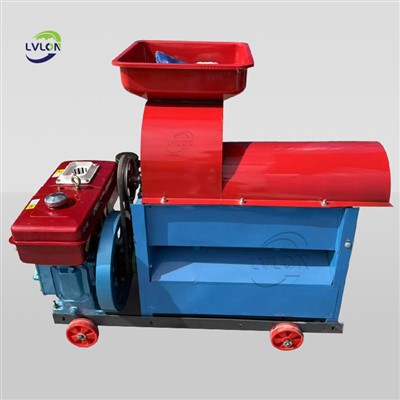
If you’re looking to partner with a supplier that puts safety first, hit me up to chat about your needs. We can talk grain specs, delivery timelines, whatever you need—just reach out. Let’s build something solid, together.
Grain Threshing References
Occupational Safety and Health Administration. (2022). Grain Handling Facilities Safety: Common Hazards and Prevention. U.S. Department of Labor.
National Grain and Feed Association. (2021). Best Practices for Grain Processing Plant Safety. NGFA Technical Bulletin.
Centers for Disease Control and Prevention. (2020). Confined Space Entry in Agricultural Settings: Safety Guidelines. CDC Agriculture Safety and Health Program.
Henan Lvlon Industrial Co., Ltd.
We’re well-known as one of the leading threshing machine suppliers in China, featured by quality products and good price. Please rest assured to buy high-grade threshing machine for sale here from our factory. Welcome to view our website for more information.
Address: Unit 5, 5th Floor, Building 11, No. 18 Dongfeng Road, Jinshui District, Zhengzhou City, Henan Province.
E-mail: lvlonxu@gmail.com
WebSite: https://www.lvlonmachinery.com/
