Hey there! I’m a supplier of Tetrachlorophthalic Anhydride (TCPA), and I’m super excited to chat with you about how this nifty chemical affects the performance of polymers. Tetrachlorophthalic Anhydride

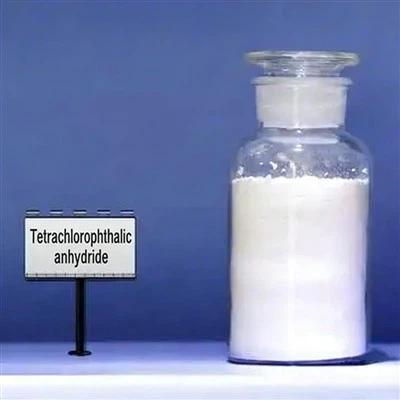
First off, let’s get a bit of background on TCPA. It’s a white crystalline powder with some pretty unique chemical properties. It’s mainly used in the production of flame – retardant plastics, coatings, and other polymer – based materials.
Flame Retardancy
One of the most significant impacts of TCPA on polymers is its ability to enhance flame retardancy. When added to polymers like polyesters, polyamides, and epoxy resins, TCPA acts as a flame – retardant additive. It works by releasing chlorine atoms when exposed to high temperatures. These chlorine atoms react with free radicals in the combustion process, interrupting the chain reaction that sustains the fire.
For example, in a polyester fabric, adding TCPA can significantly reduce its flammability. Normally, polyester can catch fire easily and burn rapidly. But with TCPA, the fabric will self – extinguish when the flame source is removed. This is a huge plus in applications where fire safety is a concern, like in the textile industry for making curtains, upholstery, and children’s clothing.
In the case of epoxy resins used in electrical components, TCPA can prevent the spread of fire in case of a short – circuit. Electrical fires can be extremely dangerous, and using TCPA – enhanced epoxy resins can provide an extra layer of safety.
Thermal Stability
Another area where TCPA makes a big difference is in improving the thermal stability of polymers. Polymers tend to degrade at high temperatures, which can lead to a loss of mechanical properties and even structural failure. TCPA helps to increase the thermal decomposition temperature of polymers.
Take polyamides, for instance. Polyamides are commonly used in engineering applications because of their high strength and toughness. However, they can start to degrade at relatively high temperatures. When TCPA is incorporated into the polyamide matrix, it forms a protective layer on the polymer surface during heating. This layer acts as a barrier, preventing oxygen from reaching the polymer and reducing the rate of thermal degradation.
This means that polymers with TCPA can withstand higher temperatures without losing their mechanical properties. In automotive applications, where parts are exposed to high – temperature environments under the hood, polymers with enhanced thermal stability due to TCPA can last longer and perform better.
Chemical Resistance
TCPA also plays a role in improving the chemical resistance of polymers. Polymers are often exposed to various chemicals in different environments, and they need to be able to resist chemical attack.
When TCPA is added to polymers, it can change the chemical structure of the polymer matrix, making it more resistant to solvents, acids, and bases. For example, in a coating application, a polymer coating with TCPA can better withstand exposure to harsh chemicals. This is useful in industrial settings where equipment and surfaces need to be protected from chemical corrosion.
In the oil and gas industry, pipes and storage tanks are often coated with polymer – based coatings. Adding TCPA to these coatings can increase their resistance to oil, gas, and other corrosive substances, extending the lifespan of the equipment.
Mechanical Properties
The addition of TCPA can also have an impact on the mechanical properties of polymers. In some cases, it can improve the stiffness and strength of polymers.
When TCPA is dispersed evenly in a polymer matrix, it can act as a reinforcing filler. It can increase the intermolecular forces between polymer chains, making the polymer more rigid. For example, in a composite material made of a polymer and a fiber, adding TCPA can enhance the bonding between the polymer and the fiber, resulting in a stronger and stiffer composite.
However, it’s important to note that the effect on mechanical properties can vary depending on the type of polymer and the amount of TCPA added. In some cases, if too much TCPA is added, it can lead to a decrease in the toughness of the polymer, making it more brittle. So, finding the right balance is crucial.
Compatibility with Other Additives
TCPA is also quite compatible with other additives commonly used in polymer formulations. This is a big advantage because it allows for the creation of more complex and high – performance polymer systems.
For example, it can be used in combination with other flame – retardant additives like antimony trioxide. When TCPA and antimony trioxide are used together, they can have a synergistic effect on flame retardancy. The chlorine from TCPA and the antimony from antimony trioxide work together to more effectively suppress the combustion process.
It can also be combined with plasticizers to improve the flexibility of polymers while still maintaining its flame – retardant and other beneficial properties. This is useful in applications where a combination of flexibility and fire safety is required, such as in the production of flexible cables.
Applications in Different Industries
Let’s take a look at how TCPA – enhanced polymers are used in different industries.
Textile Industry
As mentioned earlier, TCPA is used to make flame – retardant textiles. In addition to curtains and upholstery, it’s also used in workwear for firefighters and industrial workers. These workers are often exposed to high – risk environments where fire and heat are potential hazards. TCPA – treated textiles can provide them with an extra layer of protection.
Electrical and Electronics Industry
In the electrical and electronics industry, TCPA – enhanced polymers are used in printed circuit boards, connectors, and other components. The flame – retardant and thermal stability properties of these polymers are essential for preventing electrical fires and ensuring the long – term reliability of electronic devices.
Automotive Industry
In the automotive industry, TCPA – containing polymers are used in interior parts, engine components, and wiring harnesses. The improved thermal stability and flame retardancy of these polymers help to meet the strict safety and performance requirements of the automotive sector.
Construction Industry
In the construction industry, TCPA – enhanced polymers are used in insulation materials, coatings, and adhesives. These materials need to be fire – resistant and have good chemical and mechanical properties to ensure the safety and durability of buildings.
Quality and Supply
As a TCPA supplier, I understand the importance of providing high – quality products. We ensure that our TCPA meets the strictest industry standards. Our manufacturing process is carefully monitored to ensure consistent quality.
We also offer flexible supply options. Whether you need a small amount for research and development or a large quantity for mass production, we can meet your needs. We have a reliable supply chain, which means we can deliver the product to you in a timely manner.
Conclusion
In conclusion, Tetrachlorophthalic Anhydride has a significant impact on the performance of polymers. It enhances flame retardancy, thermal stability, chemical resistance, and can also affect mechanical properties. Its compatibility with other additives allows for the creation of high – performance polymer systems.
Tetrachlorophthalic Anhydride If you’re in the business of polymer production or using polymer – based materials, and you’re looking for a reliable TCPA supplier, I’d love to have a chat with you. Feel free to reach out to me to discuss your specific requirements and how TCPA can benefit your products. Let’s work together to create better and safer polymer – based solutions!
References
- "Flame Retardancy of Polymers: Principles and Practice" by Horrocks, A. R., & Price, D.
- "Polymer Science and Technology" by Billmeyer, F. W.
- "Handbook of Polymer Applications in Medicine and Medical Devices" by Ratner, B. D., Hoffman, A. S., Schoen, F. J., & Lemons, J. E.
Shaoxing Huawei Chemical Co., Ltd.
Shaoxing Huawei Chemical Co., Ltd. is one of the most professional tetrachlorophthalic anhydride manufacturers and suppliers in China, also supports customized service. Welcome to buy bulk tetrachlorophthalic anhydride in stock here and get free sample from our factory. For price consultation, contact us.
Address: XIN’ER VILLAGE, MA’AN TOWN, BIN’HAI INDUSTRIAL DISTRICT, KEQIAO, SHAOXING, CHINA
E-mail: SALES@HUAWEICHEMICAL.COM
WebSite: https://www.huaweichemical.com/
