Hey everyone, let’s cut to the chase—if you’re running a small manufacturing shop, managing a local waste transfer station, or even just a warehouse trying to keep things from piling up, you’ve probably dealt with the headache of traditional waste disposal. I’ve been in the game as a waste recycling machine supplier for 8 years now, and let me tell you, I’ve seen more than my fair share of broken dump runs, sky-high landfill fees, and wasted materials that could’ve been put back to work. Traditional methods (think hauling everything to a landfill or burning trash for energy) sound simple on paper, but they’re riddled with hidden costs and downsides that most people don’t realize until it’s too late. Today, I want to break down the real advantages our recycling machines bring to the table vs. what you’re probably doing right now—no jargon, just straight talk. Waste Recycling Machine
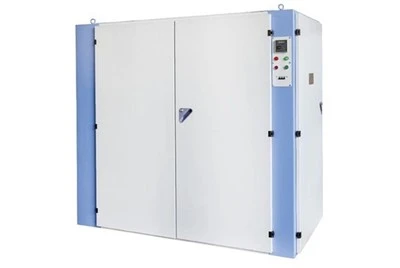
First off, let’s talk about the thing that keeps most business owners up at night: cost. I get it, equipment costs money, but when you run the numbers, it’s night and day compared to traditional disposal. Let’s do a quick, real example. Last year, I worked with a small packaging plant in Ohio that was sending 12 tons of mixed plastic, cardboard, and wood to a landfill every month. Their hauling and tipping fees? $1,800 a month. That’s $21,600 a year, just for moving trash. On top of that, they had to pay $300 a month in fuel surcharges when landfill routes got backed up. Now, they leased one of our compacting and sorting recycling machines for $600 a month, and they cut their trash haul nearly in half—down to 5 tons a month, so their tipping fees dropped to $750. Wait, so their monthly cost is $1,350 vs. their old $1,800, that’s already a $450 savings. But here’s the kicker: they started selling the cleaned, sorted plastics and cardboard to a local reprocessing plant for $250 a ton. That’s 7 tons of sellable material a month, so $1,750 extra in their pocket. Suddenly, instead of paying to get rid of waste, they’re making almost $400 a month off it. Traditional disposal can never do that—landfills pay you nothing, incinerators might pay a tiny bit for certain trash but only if you’re shipping super high-volume, and it’s inconsistent. Another example: a grocery store chain in Chicago I worked with was burning food waste for energy at a local plant, but the price they got dropped 15% in 2023 when natural gas prices fell. Our machine turns food waste into compost they can sell to local farms for $15 a yard—last year, that was $12,000 in extra revenue for just 10 stores. Traditional methods don’t generate income; they’re a monthly expense that only goes up as landfills fill up (most cities are raising tipping fees 5-10% a year now) and fuel costs fluctuate.
Next, let’s get real about compliance and headaches. If you’ve ever dealt with city waste regulations, you know how easy it is to slip up. Landfills have rules about what you can dump—any hazardous material (even old cleaning supplies or leftover paint from a shop) can get you fined hundreds or thousands of dollars, and if a hauler accidentally brings banned stuff, they’ll charge you a penalty fee. Incinerators have stricter air quality rules now too—many cities have cracked down on small businesses burning trash because of toxic fumes. Our machines? They’re built to sort out hazardous materials automatically. The sensor tech in even our mid-tier models can spot things like lithium-ion batteries, small metal parts, or chemical containers and divert them before the rest of the waste is processed. That means no more accidental banned items, no more $500+ fines, no more scrambling to sort trash by hand at the end of the week. I had a customer in Detroit who used to pay a part-time guy $15 an hour just to sort trash for 20 hours a week to avoid fines—with our machine, he only spends 2 hours a week checking the sorting bins. That’s $1,560 a year in labor savings too. And for businesses in cities with zero-waste goals (which is most major cities now), recycling machines give you the paperwork to prove you’re diverting waste from landfills—something traditional disposal can’t do, because you can’t track exactly how much of your trash is actually getting recycled vs. just buried. That paperwork is huge for getting tax breaks or business certifications these days.
Then there’s the environmental angle, which isn’t just “good for the planet”—it’s good for your brand. A few years ago, a clothing brand I supplied their store locations got a ton of social media traction when they posted that they were recycling 80% of their textile waste instead of sending it to landfills. They saw a 12% jump in online sales that quarter because customers liked that they weren’t creating trash. Traditional waste disposal? When you send clothing or plastic to a landfill, it sits there for decades—synthetic textiles take over 200 years to break down, plastic takes even longer, and organic waste produces methane, which is 25x more potent than CO2 as a greenhouse gas. Our recycling machines process waste locally, so you’re not wasting fuel hauling it cross-country to a landfill or incinerator. And when you sort and clean the materials on-site, you’re cutting down on the amount of new raw materials manufacturers need to make new products. For example, recycling one ton of plastic saves 5,774 kWh of energy—enough to power a home for 6 months. The Ohio packaging plant I mentioned earlier, using our machine, cut their carbon emissions by 22 tons last year. That’s not just good karma—many businesses are now required to report their carbon footprint to investors, and recycling machines make that way easier than tracking traditional disposal emissions. I’ve even had customers use those emissions savings to apply for green grants that covered 30% of their machine cost. Traditional disposal can’t get you those grants, because it doesn’t reduce emissions—it just moves waste somewhere else.
Wait, but let’s talk about the “what if it breaks?” question, because I know that’s the first thing people ask when they hear about new equipment. I don’t want to sell you something that’s going to leave you stranded if it has a problem. Our recycling machines are built with simple, user-friendly parts—no fancy tech that only a PhD can fix. We offer 24/7 support for all our customers, and we keep replacement parts in stock at warehouses across the US, so if something goes wrong, we can have a technician on-site in 48 hours, or a part shipped the same day. Compare that to traditional disposal hauler issues: if your hauler’s truck breaks down, you’re stuck with a pile of trash that might get you a fine, and you have to call around to find a last-minute backup, which costs double the normal rate. Last year, one of my customers had a hauler go out for 5 days over a holiday weekend, and they paid $2,000 in emergency disposal fees. With our machine, the only backup is basic trash bags, and most of our customers don’t even need that—they can process waste on-site 24/7. Also, our machines take up way less space than you think. A compacting and sorting machine for a small business is about the size of two parking spots. A landfill dumpster for the same amount of waste takes up three times that space, and if you have multiple dumpsters, that’s a huge portion of your floor or yard tied up.
Let’s be honest, no method is perfect. Our machines aren’t going to turn every piece of junk into cash, and they do need some basic maintenance—like emptying the sorted bins every few days. But when you add up the cost savings, revenue from selling recycled materials, fewer fines, lower compliance stress, and the environmental benefits, they beat traditional disposal hands down. The best part? You don’t need a huge operation to make it worth it. We have machines that work for small shops with 1 ton of waste a month all the way up to big distributors with 50 tons a month.
If you’re tired of throwing money at trash fees, dealing with hauler delays, or worrying about fines, let’s chat. I’m here to answer any questions, break down the numbers for your specific business, and help you find a machine that fits your needs. No hard sells, no fine print—just real advice from someone who’s been doing this long enough to know what works.
Textile Machinery References:
- US Environmental Protection Agency. (2022). Advantages of On-Site Recycling for Small Businesses.
- National Waste & Recycling Association. (2023). Cost Comparison of Traditional Disposal vs. Local Recycling Processing.
- Carbon Trust. (2021). Greenhouse Gas Savings from Material Recycling vs. Landfill and Incineration.
- Small Business Administration. (2022). Compliance Penalties for Improper Waste Disposal in Urban Areas.
Shandong Hongye Machinery Co., Ltd.
Shandong Hongye Machinery Co., Ltd. is one of the most professional waste recycling machine manufacturers and suppliers in China, featured by quality products and low price. Please rest assured to buy advanced waste recycling machine in stock here and get quotation from our factory. Also, 1 year warranty is available.
Address: Room 1104, Building No. 2, Haier Yunjie, No. 99 Chongqing South Road, Qingdao, China
E-mail: sales@seavincn.com
WebSite: https://www.sdhymachinery.com/
