If you’ve ever stood in front of a finished bowl, spindle, or turned ornament, the smooth, precision-carved shape is a reminder of how vital a benchtop wood lathe is to woodworking. As a supplier of benchtop wood lathes, I’ve seen firsthand how routine maintenance can turn a good lathe into a lifelong, reliable work partner—while neglect can lead to rough cuts, uneven turns, and even costly breakdowns. Many new woodworkers think a benchtop lathe is a set-it-and-forget-it tool, but the truth is that small, consistent care sessions will extend its life, improve every project, and save you from frustration mid-turn. Let’s break down exactly how to maintain your benchtop wood lathe, step by step, with advice I’ve picked up from woodworkers, mechanics, and years of supporting craftspeople like you. Benchtop Wood Lathe
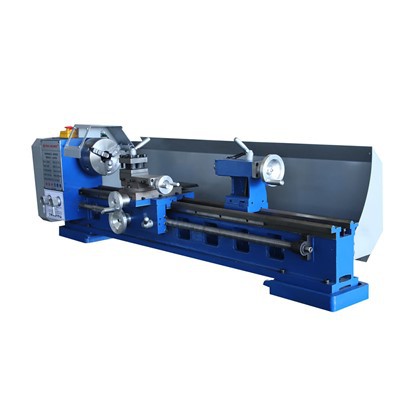
First, let’s start with the most basic, yet often overlooked, step: cleaning your lathe after every use. When you turn wood, you create a fine mix of wood dust, tiny shavings, and resin—all of which find their way into every crevice of your lathe. Wood dust isn’t just messy; it’s abrasive. If it gets between the headstock spindle and its bearings, or inside the tailstock screw threads, it acts like sandpaper, wearing down critical parts over time. The worst part? A dusty lathe can also clog ventilation slots on the motor, leading to overheating during long projects. I recommend keeping a set of dedicated lathe cleaning tools: a soft bristle brush (old paintbrushes work perfectly), a can of compressed air (hold it at a slight angle to avoid blowing dust into bearings), and a lint-free microfiber cloth. After every use, brush all shavings off the bed, carriage, and tool rest. Wipe the spindle, tailstock quill, and tool rest with a lightly dampened cloth, then dry thoroughly—moisture can cause rust on metal parts, especially if you store your lathe in a humid workshop. For hard-to-reach spots, like the gaps between the headstock and bed, compressed air is ideal; just make sure to turn off and unplug your lathe first, so you don’t accidentally start it while cleaning.
Next, inspect and lubricate moving parts regularly—this is non-negotiable for smooth operation. The key moving parts on a benchtop lathe are the headstock spindle, tailstock quill, and the lead screw (if your lathe has one for facing or threading). How often you need to lubricate depends on how much you use your lathe: if you turn weekly, do this once a month; if you turn every day, do it every two weeks. For the headstock spindle, most modern benchtop lathes use sealed ball bearings, so you don’t need to take them apart to lubricate—instead, use a high-quality, lightweight bearing oil (avoid heavy grease here, as it can trap dust). Apply 2-3 drops to the spindle where it connects to the headstock housing, then run the lathe on low speed for a minute to distribute the oil. For the tailstock quill, which slides in and out of the tailstock housing, use a white lithium grease or a silicone-based lubricant—avoid petroleum-based greases, as they can degrade rubber seals. Wipe any excess grease off the quill before inserting it back into the housing, so it doesn’t attract more dust. If your lathe has a lead screw, clean it first with a dry cloth to remove dust, then apply a thin coat of machine oil along its length—this prevents sticking when you move the carriage or adjust the tool rest. A quick tip: when lubricating, only use the amount recommended in your lathe’s manual—too much oil or grease can cause it to seep onto your workpiece, ruining a perfectly good project.
Then, check and adjust alignment—this is what keeps your turns smooth and round, instead of wobbly or off-center. Over time, frequent use, small bumps from moving your lathe, or even the weight of a large workpiece can throw your lathe’s alignment off, leading to uneven cuts. The most critical alignment check is the bed’s flatness relative to the headstock spindle and tailstock quill. To do this, take a straight edge (a long metal ruler or a precision straight edge works) and lay it across the bed, touching the top of the headstock spindle, the bed, and the tailstock quill. If there’s a gap between the straight edge and either the spindle or quill, you’ll need to adjust the mounting bolts on the headstock and tailstock. Most benchtop lathes have small hex bolts on the bottom of each unit that let you shift the headstock and tailstock slightly to realign them. Tighten or loosen these bolts in small increments, then recheck until the gap is less than the thickness of a piece of paper (that’s the standard for accurate alignment). You should also check the tool rest alignment every few weeks. The tool rest should be as close to the workpiece as possible (usually 1/8 inch or less) and parallel to the spindle. If it’s not, loosen the locking lever, adjust the rest so it runs level with the spindle, then tighten the lever firmly. A misaligned tool rest can cause the tool to catch on the wood, leading to kickback—a serious safety hazard, so don’t skip this step.
Now, let’s talk about the motor and power components, which are the heart of your benchtop lathe. A lot of woodworkers ignore the motor until it starts making strange noises or cutting out, but small checks here can prevent major issues. First, make sure your lathe is plugged into a dedicated outlet that can handle its voltage—most benchtop lathes are 120V, so using an extension cord that’s too thin or too long can cause voltage drop, leading to the motor running slower than it should, or overheating. If you need an extension cord, use one that’s 14-gauge or thicker, and no longer than 25 feet. Every month, inspect the power cord for frays, cracks, or loose connections. If you see damage, replace the cord immediately—don’t try to tape it up, as this is a fire hazard. Also, keep the motor’s ventilation slots clear of dust and shavings. The motor needs airflow to stay cool, so if the slots are clogged, the motor will overheat, shortening its life. I recommend using compressed air to blow out the ventilation slots once a month, but only when the lathe is unplugged. If your lathe has a brushless motor, you won’t need to replace the brushes, but if it has a brushed motor, check the carbon brushes every 6 months. Most motor brushes have a wear mark that tells you when to replace them—if they’re worn down to the mark, order replacement brushes from your lathe manufacturer and install them following the manual’s instructions.
Storage is another often misunderstood part of benchtop lathe maintenance, especially for woodworkers who work in small workshops or don’t have a dedicated space for their lathe. If you have to move your lathe often or store it when not in use, take steps to protect it from dust, moisture, and damage. First, make sure your lathe is completely clean and dry before storing it—even a thin layer of dust can cause rust on metal parts over time. For moisture, if your workshop is humid, use a dehumidifier near your lathe, or place a few silica gel packets inside the base of the lathe to absorb excess moisture. Never store your lathe directly on the floor—put it on a sturdy workbench or a dedicated stand, so it’s not exposed to water spills or damp concrete. If you have to move your lathe, remove the tailstock, tool rest, and any accessories (like chucks or faceplates) to avoid bending parts. Secure the spindle with a spindle cover or a piece of scrap wood, so it doesn’t get scratched or damaged during transport. If you’re using a plastic cover for storage, make sure it’s breathable—airtight covers can trap moisture, leading to rust.
Don’t forget about your lathe accessories, either—chucks, faceplates, and tool rests need maintenance too, and taking care of them will make your turns more consistent. For metal chucks, after every use, wipe the jaws with a dry cloth to remove wood dust and shavings. Every month, apply a small amount of machine oil to the chuck’s gears and threads, so it opens and closes smoothly. If you notice the jaws getting stuck, or if there’s rust on the chuck, clean the jaws with a wire brush (soft brass, so you don’t scratch them) and apply a light coat of oil. For wood faceplates, inspect them regularly for cracks or splinters—if a faceplate has a crack larger than a 1/4 inch, replace it, as it can break under pressure while turning. Tool rests, especially the ones made of aluminum, should be wiped down after every use, and if they get bent (common if you accidentally hit them with a chisel), use a press or a straightening tool to bend them back, or replace them if they’re too damaged.
As a supplier of benchtop wood lathes, I’ve also learned that routine maintenance is cheaper than repairs or replacement. A $10 bottle of bearing oil and a monthly 15-minute check-up can save you from a $200 headstock repair or a whole lathe replacement later. Plus, a well-maintained lathe will give you better results: smoother turns, fewer kickbacks, and the ability to work on larger projects without worrying about alignment issues. The best part is that maintenance becomes a habit after a few times—soon, you’ll reach for the cloth and brush without thinking about it, and your lathe will become an extension of your creative process.
If you’re new to owning a benchtop wood lathe, or if you have questions about specific maintenance steps for your model, our team is here to help. We provide high-quality benchtop lathes built for both new and experienced woodworkers, and our support staff can walk you through every maintenance tip, alignment check, and part replacement. Whether you need a replacement brush, a new tool rest, or help troubleshooting a sticking tailstock, we’re here to make sure your lathe runs smoothly for years to come. Get in touch with us to discuss your needs, learn more about our lathe models, or ask any questions about maintaining your equipment. We look forward to helping you turn more beautiful projects.
Magnetic Drill Press References
- "Wood Lathe Maintenance: A Guide for Home Workshop Users." Woodworking Journal, vol. 42, no. 3, 2021, pp. 45-52.
- Machine Tool Maintenance Handbook. Society of Manufacturing Engineers, 2020.
- "Benchtop Lathe Alignment and Performance." Popular Woodworking, vol. 28, no. 11, 2019, pp. 78-83.
- Rust Prevention and Care for Woodworking Tools. Woodworking Machinery Association, 2022.
YS Machine Tools Co., Ltd.
We’re well-known as one of the leading benchtop wood lathe suppliers in China, featured by quality products and good service. Please rest assured to buy customized benchtop wood lathe at competitive price from our factory. Contact us for more details.
Address: 300 Sandusky st, Ohio, 43611, USA
E-mail: yishoumachinetools@gmail.com
WebSite: https://www.ysmachinetool.com/
